+923554945378 tours@PamirCrest.com

The Ultimate Karakoram Circuit: K2 Base Camp & Gondogoro La

0
Price
Full Name*
Email Address*
Your Enquiry*
* I agree with Terms of Service and Privacy Statement.
Please agree to all the terms and conditions before proceeding to the next step
Save To Wish List

Adding item to wishlist requires an account

22

Get a Question?

Do not hesitate to give us a call. We are an expert team and we are happy to talk to you.

+92 355 4265675

tours@PamirCrest.com

The Ultimate Karakoram Circuit: K2 Base Camp & Gondogoro La

0
Tour Overview

If the standard K2 trek is a masterpiece, the Gondogoro La Circuit is the director’s cut. This is widely considered the most spectacular high-altitude trek on the planet. Instead of retracing your steps back down the Baltoro Glacier, you climb over the high-altitude Gondogoro La Pass (5,585m) to descend into the lush, green Hushe Valley.

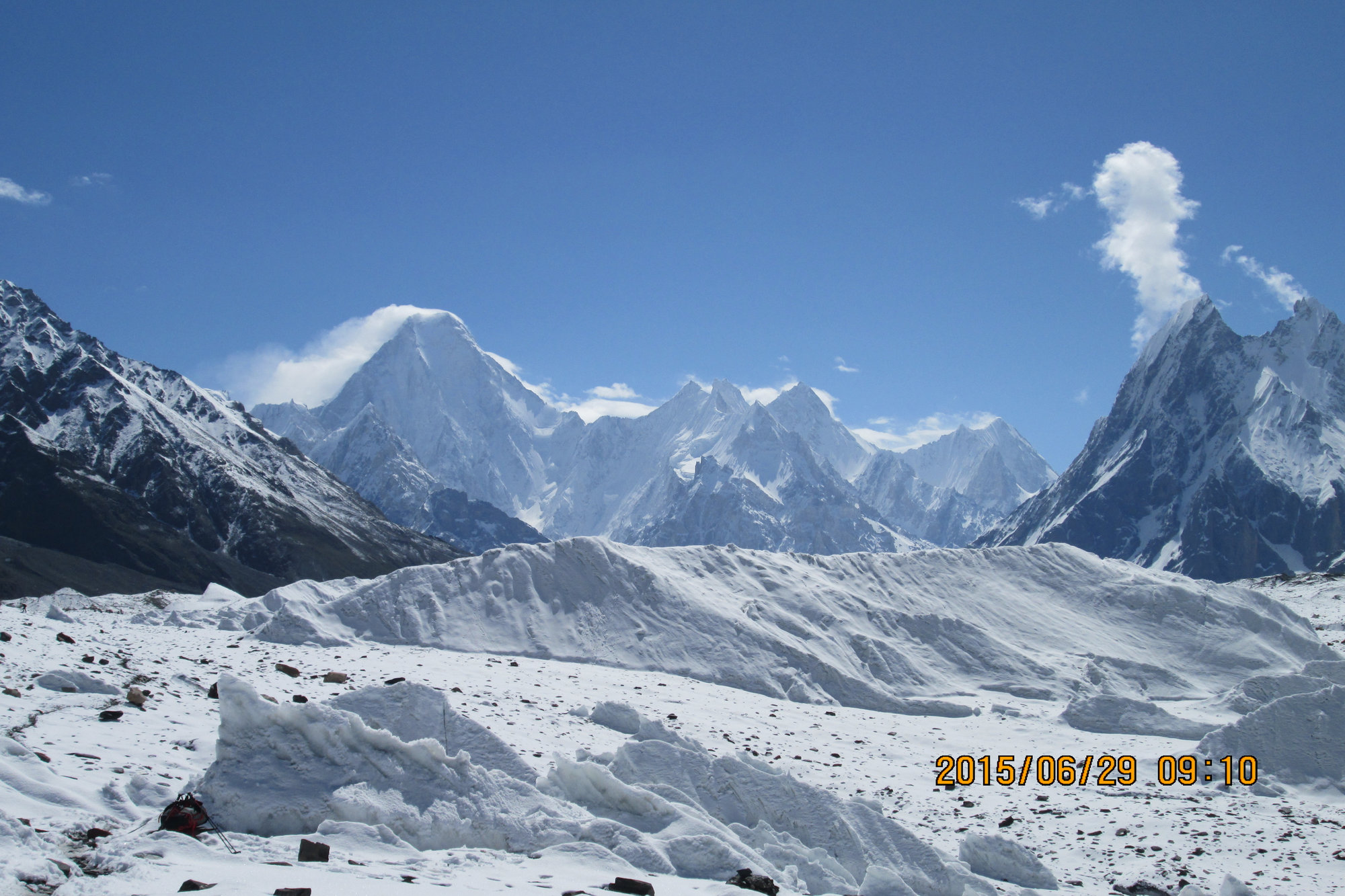
This is a “technical” trek that requires grit, crampons, and a head for heights. The reward? A 360-degree panorama from the top of the pass that captures four 8,000-meter peaks (K2, Broad Peak, Gasherbrum I, and Gasherbrum II) in a single frame. It is a grueling, exhilarating, and life-changing crossing that represents the pinnacle of Himalayan trekking.

Trek Highlights
  • The Full Circle: A complete circuit that enters via the rugged Braldu Gorge and exits through the alpine paradise of Hushe.
  • The High Pass: Challenge yourself on the steep, fixed-rope ascent to the 5,585m summit of Gondogoro La.
  • Four 8,000ers: Witness the world’s highest concentration of giants from one of the best viewpoints on Earth.
  • Laila Peak: Get up close with the world’s most beautiful “needle-pointed” mountain in the Gondogoro Valley.
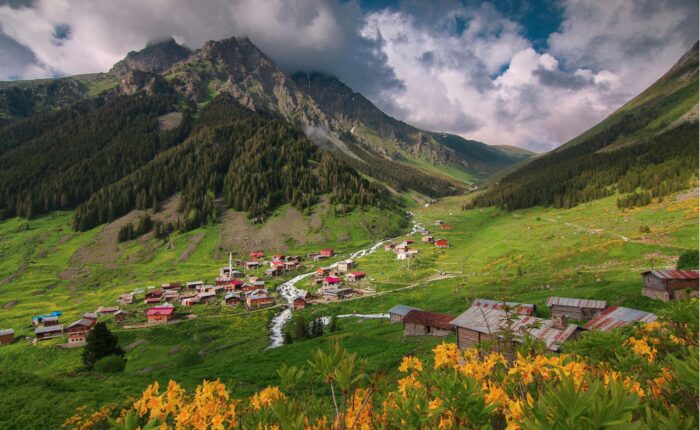
  • The Descent: Experience the dramatic shift from the stark white glaciers of the Baltoro to the blooming wild rose bushes of Saicho.
  •  
Day-by-Day Itinerary

Day 1: Arrival in Islamabad

Meet and greet at the airport, transfer to hotel, and trek briefing.

Day 2: Islamabad to Skardu

A spectacular 45-minute flight (weather permitting) with views of Nanga Parbat. If the flight is cancelled, you drive the Karakoram Highway (2 days).

Day 3: Skardu Preparation

Final gear checks, permit processing at the Tourism Office, and a visit to Kharpocho Fort or Sadpara Lake.

Day 4: Drive to Askole (or Jhola)

An 8-hour jeep ride through the Shigar Valley to the last village, Askole. (Some tours now drive further to Jhola).

Day 5: Trek to Jhola (3,100m)

Trek to Jhola (3,100m)

Day 6: Trek to Paiju (3,400m)

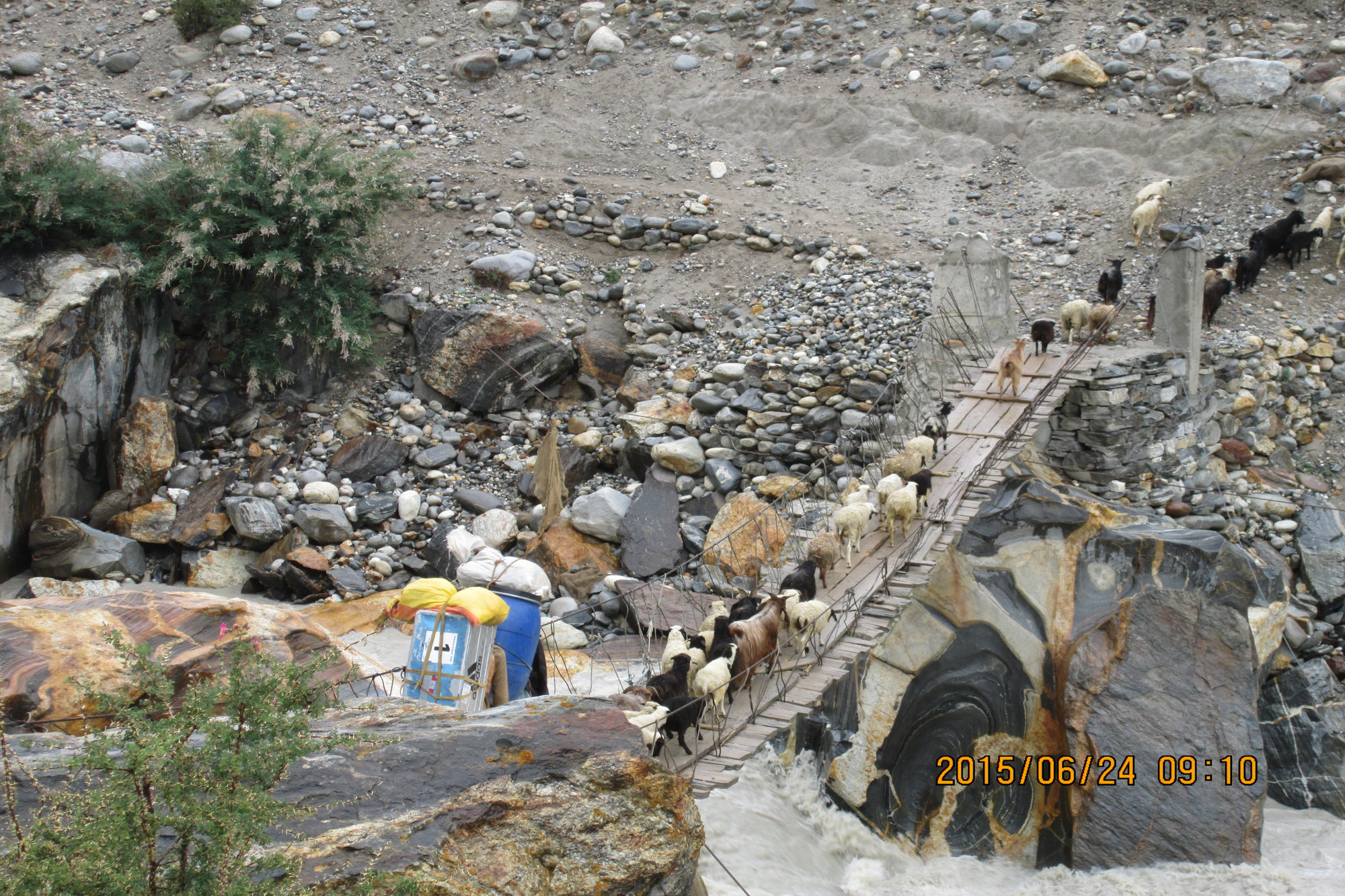
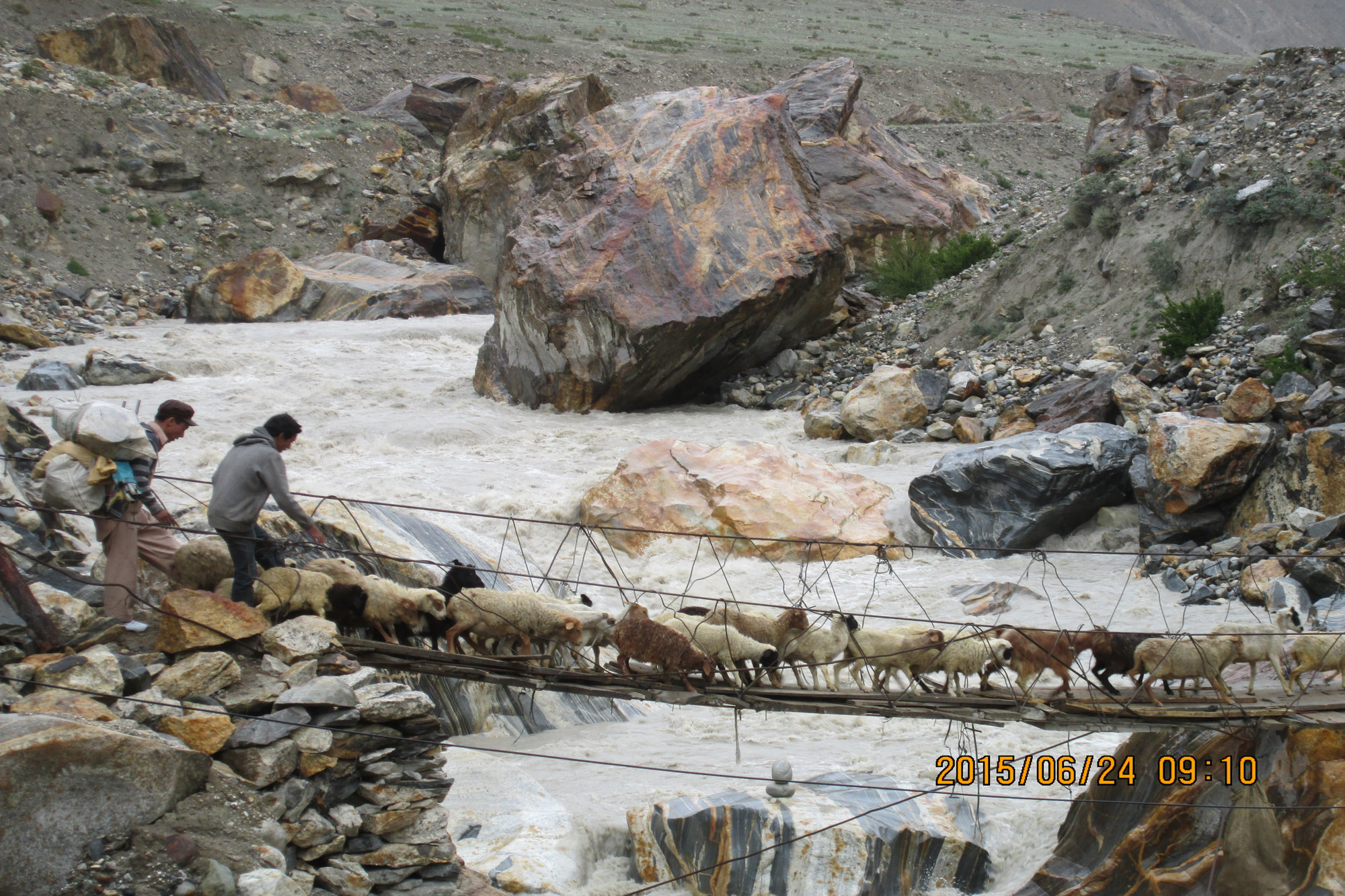
Walking along the Braldu River. You get your first distant views of the Cathedral Towers.

Day 7: Acclimatization Day in Paiju

A rest day for the body to adjust. Porters often perform traditional songs and dances here.

Day 8: Trek to Khoburtse (3,800m)

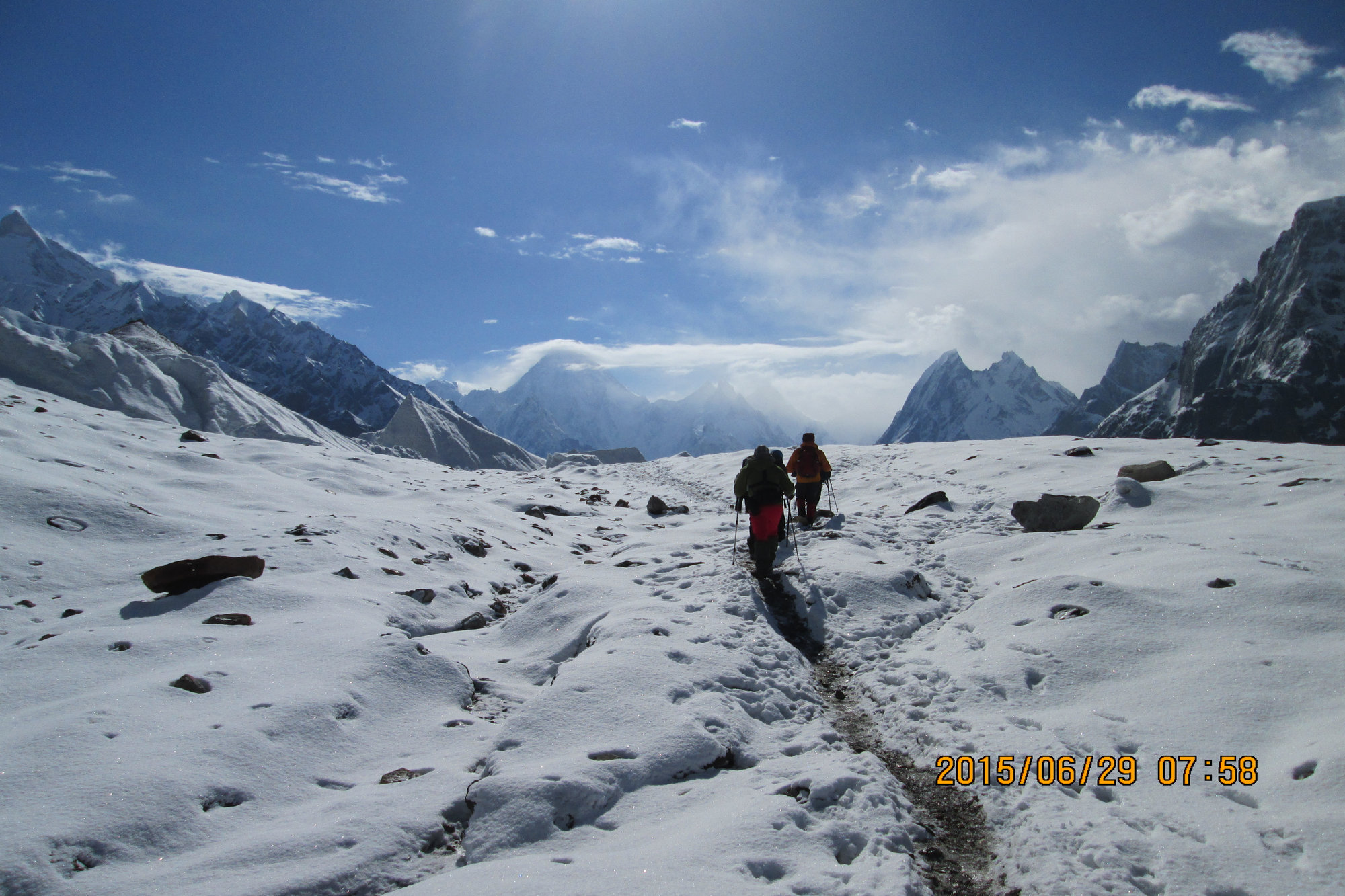
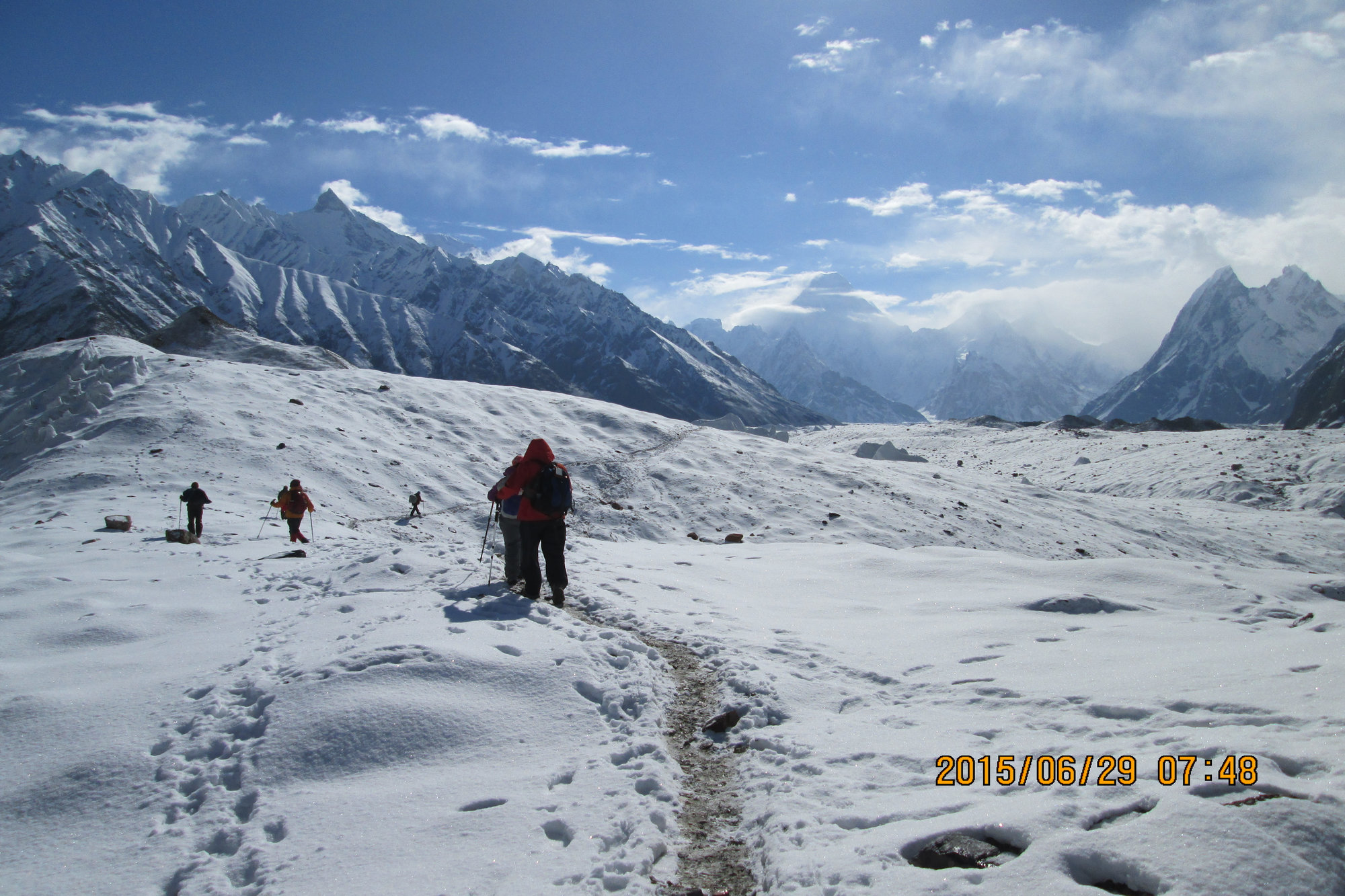
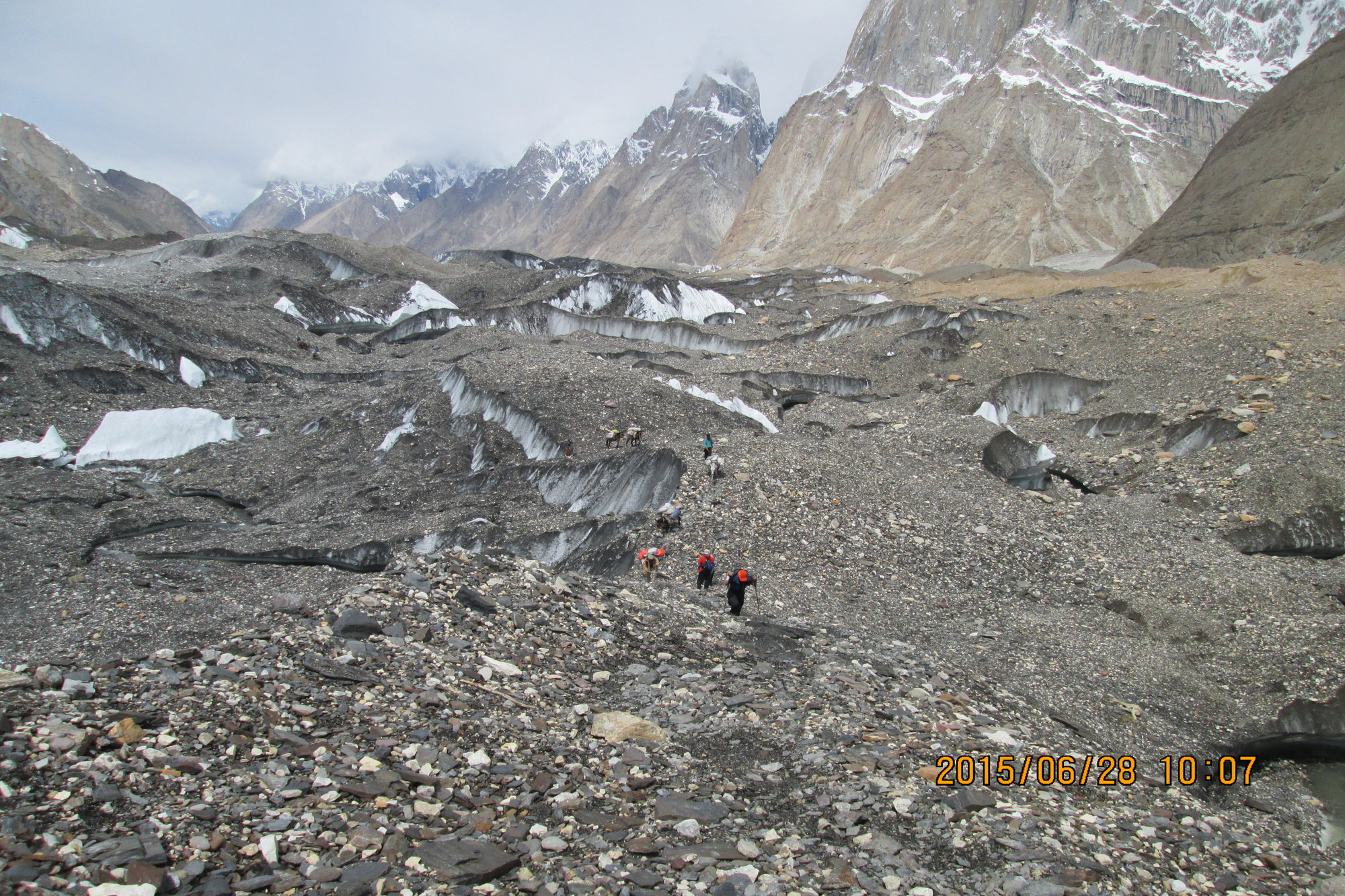
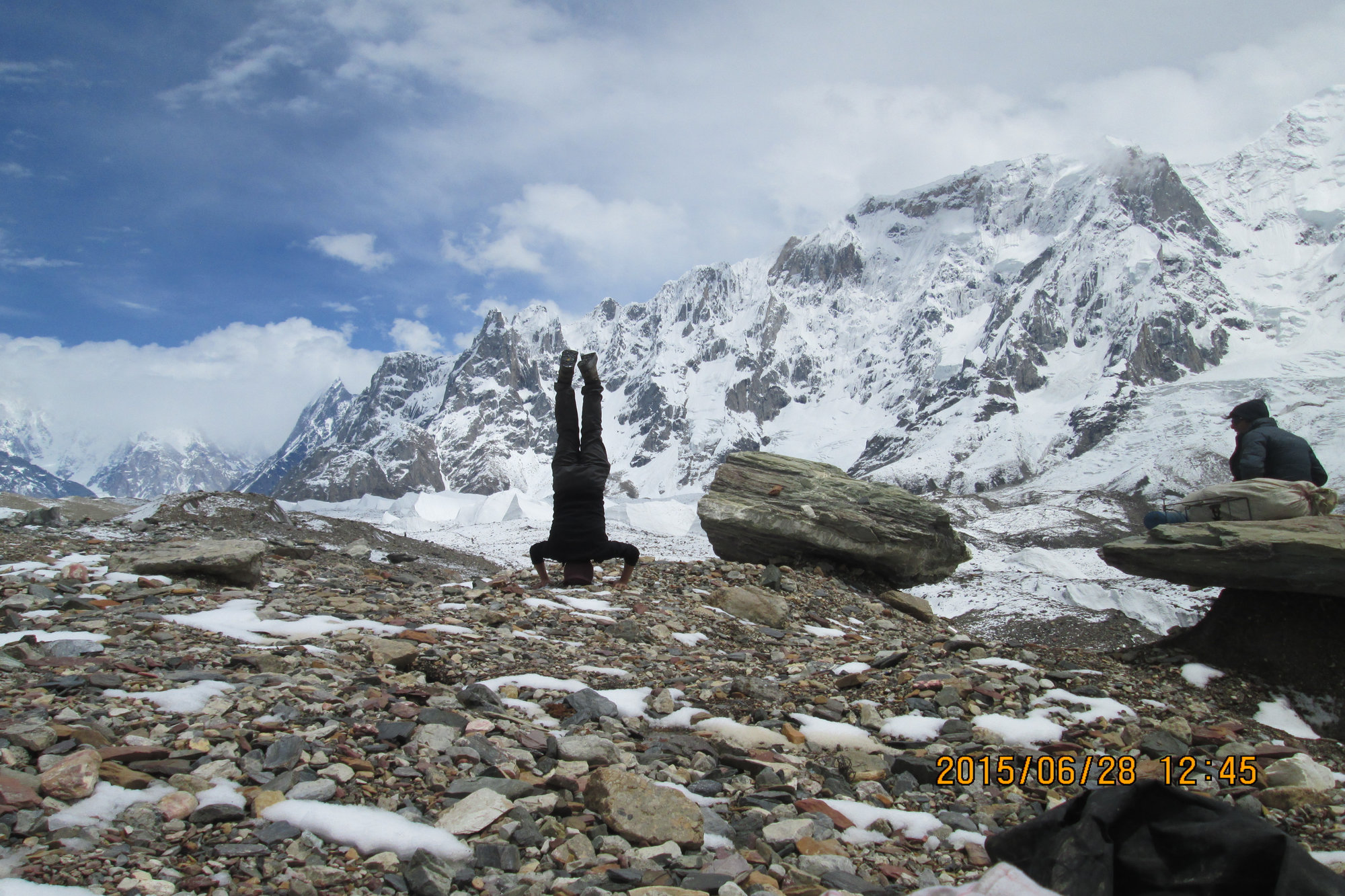
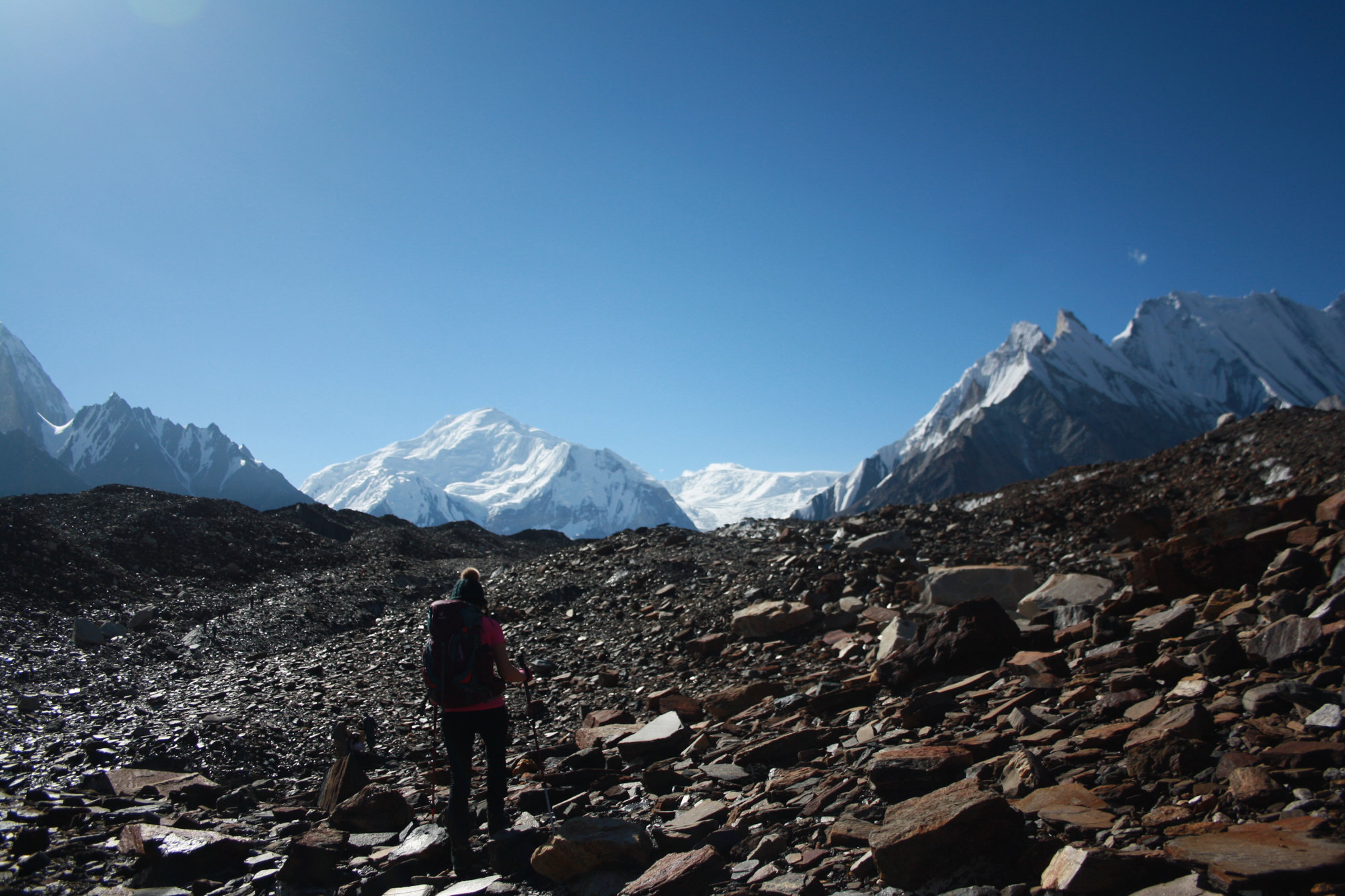
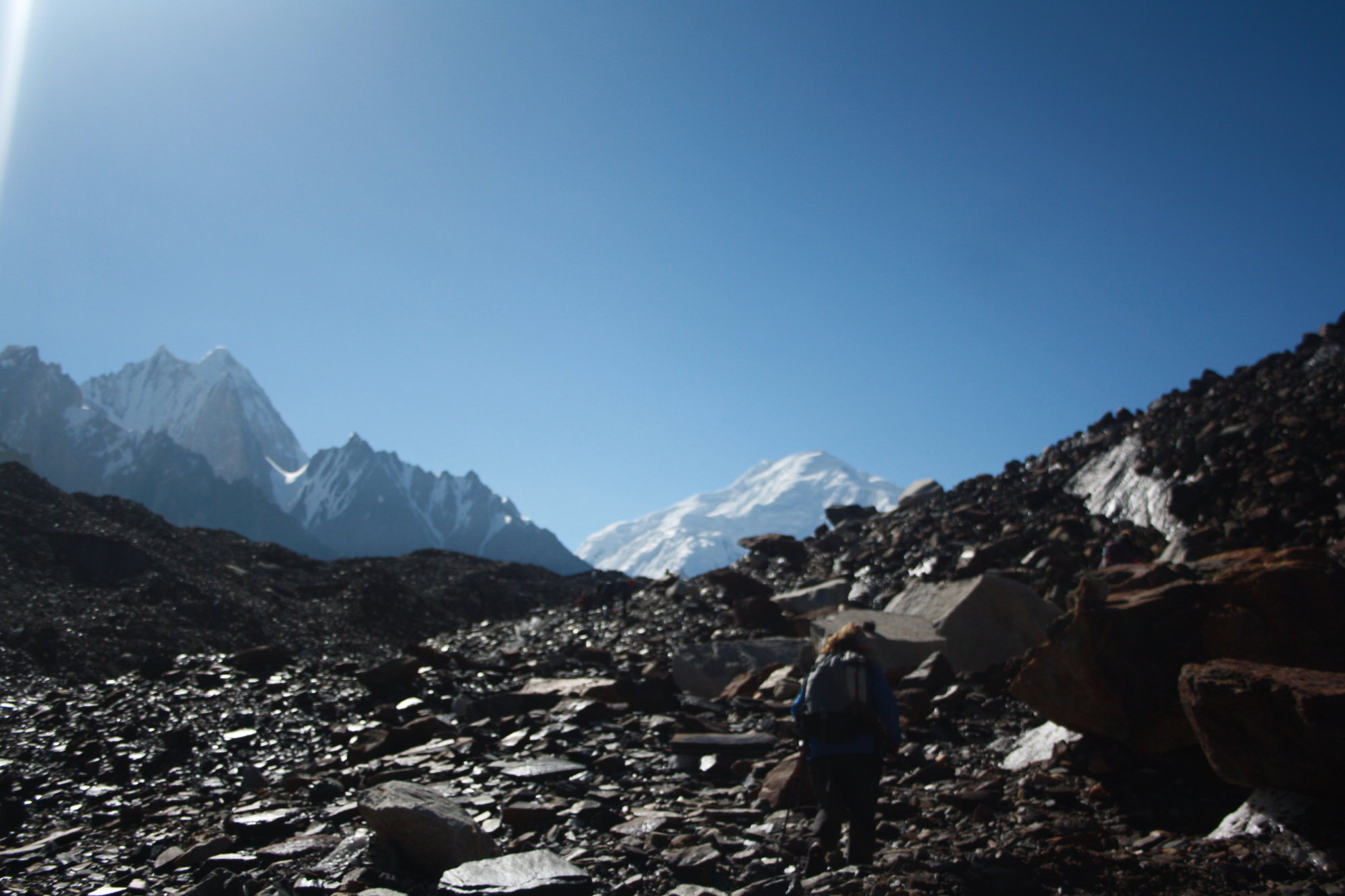
Step onto the mighty Baltoro Glacier. Terrain becomes rocky and uneven.

Day 9: Trek to Urdukas (4,130m)

A short but steep walk to a green campsite on a hillside overlooking the glacier. Views of Trango Towers.

Day 10: Trek to Goro II (4,300m)

You are now walking directly on the glacier’s center. Masherbrum (7,821m) appears to your right.

Day 11: Trek to Concordia (4,600m)

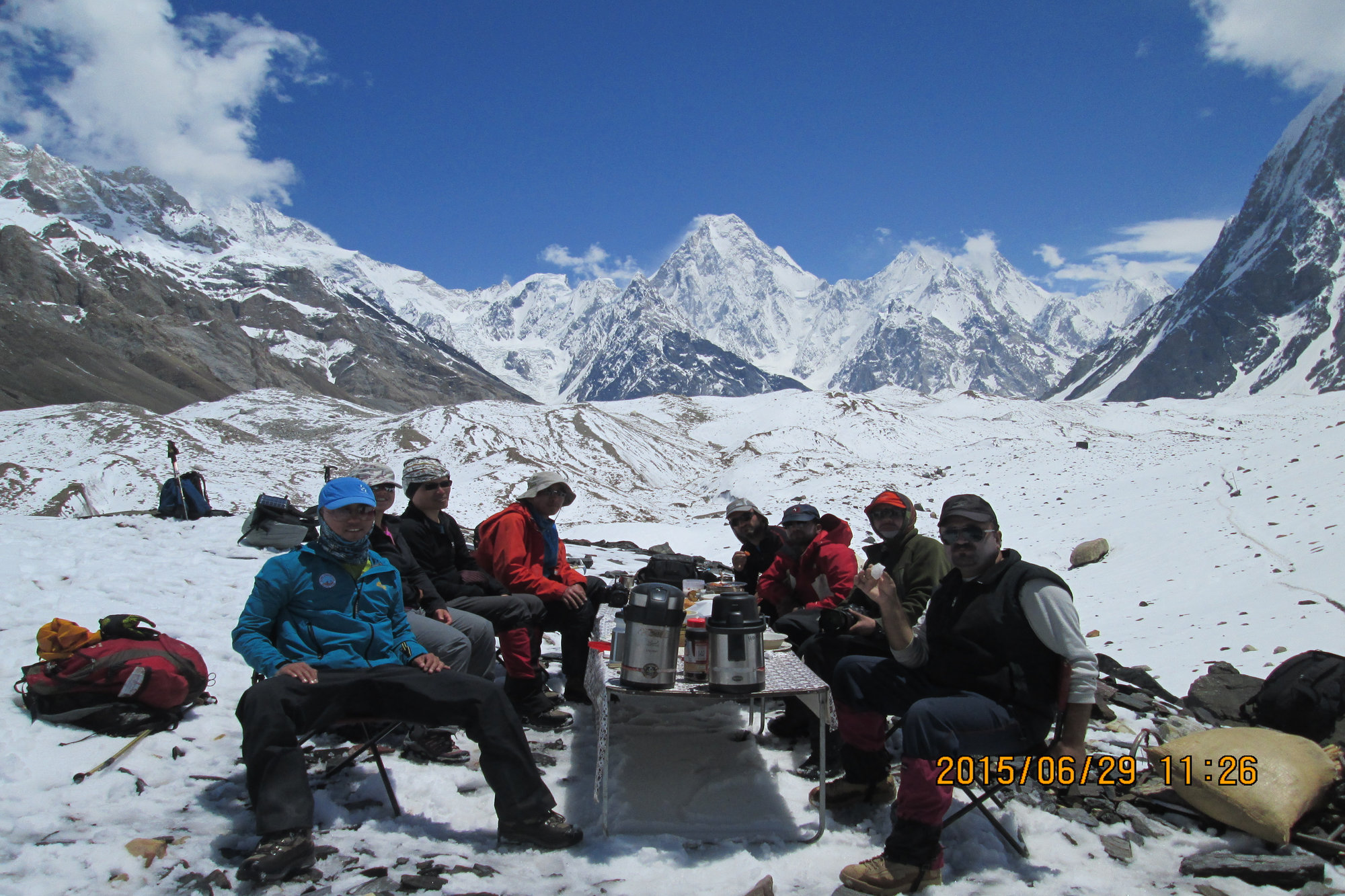
The junction of Baltoro and Godwin-Austen glaciers. Surrounded by K2, Broad Peak, and the Gasherbrums.

Day 12K2 Base Camp & Gilkey Memoria

A full-day excursion to the base of the “Savage Mountain.” Visit the memorial for fallen climbers and return to Concordia.

Day 13: Trek to Ali Camp (4,800m)

Moving away from K2 toward the base of the pass. You will learn how to use crampons and harnesses here.

Day 14: Cross Gondogoro La (5,585m) to Khuspang

  • The most difficult day. Wake up at midnight to climb the fixed ropes. After sunrise at the top, descend into the green pastures of Khuspang.

Day 15: Contingency Day

A spare day in case of bad weather or exhaustion.

Day 16: Trek to Saicho (3,350m)

A long descent past Laila Peak. You finally see trees and grass again.

Day 17: Trek to Hushe & Drive to Skardu

A short 2-hour walk to Hushe village, then a 6-hour jeep ride back to the comfort of a hotel in Skardu.

Day 18: Flight to Islamabad

Return flight or start of the drive back.

Day 19: Contingency/Sightseeing

Extra day for flight delays or exploring Islamabad (Faisal Mosque, Centaurus).

Day 20: Departure

Transfer to the airport for your flight home.

Frequently Asked Questions (FAQ)

Q1: How difficult is the K2 Base Camp Trek?

A: This is a challenging trek requiring good physical fitness and mental determination. You’ll trek for 15 days, carrying only a daypack (porters carry main luggage). You’ll walk 4-7 hours daily on rocky glacier terrain at altitudes up to 5,150m.

Fitness requirements: You should be able to hike for 6-7 hours on consecutive days. We recommend 3-6 months of training including cardio, hiking with a backpack, and strength training. Previous trekking experience at altitude (3,000m+) is highly recommended but not mandatory.

The main challenges are: high altitude, rough glacier terrain, basic camping conditions, and walking for multiple consecutive days. Mental strength is just as important as physical fitness.

Q2: When is the best time to trek to K2 Base Camp?

A: June to September is the trekking season.

June-July: Longer daylight hours, wildflowers in bloom, but can be hotter and more crowded. Snow may still be present at higher elevations.

August: Peak season with the best weather and most stable conditions. Expect to see mountaineering expeditions at K2 Base Camp.

September: Fewer trekkers, crisp clear days, colder nights. Risk of early snowfall, especially after mid-September.

We do not recommend this trek outside these months due to extreme winter conditions, blocked roads, and avalanche danger.

Q3: What about altitude sickness? Is it dangerous?

A: Altitude sickness is a real risk on this trek. You’ll spend 2-4 days above 4,000m and reach 5,150m at K2 Base Camp.

How we minimize risk:

  • Gradual ascent profile with acclimatization day at Urdukas (Day 10)
  • “Climb high, sleep low” principles built into the itinerary
  • Experienced guides trained in altitude sickness recognition
  • Contingency days built into the schedule

Symptoms to watch for: Headache, nausea, dizziness, fatigue, loss of appetite, difficulty sleeping.

Prevention tips:

  • Stay well hydrated (3-4 liters of water daily)
  • Climb slowly—”pole pole” (slowly slowly)
  • Don’t skip the acclimatization day
  • Tell your guide immediately if you feel unwell
  • Consider taking Diamox (consult your doctor before the trip)

Serious cases: If severe altitude sickness develops, immediate descent is the only treatment. This is why travel insurance with helicopter evacuation coverage is mandatory.

Q4: Will the trek definitely run, or do you need minimum numbers?

A: Yes, this trek is GUARANTEED to run with even just 1 person. Unlike other companies, we don’t cancel due to low numbers.

Group size: Maximum 8 trekkers per group. Small groups mean:

  • Personalized attention from guides
  • Flexibility in daily pace
  • Better environmental impact
  • More intimate mountain experience

Private departures: You can also book private dates for your own group with custom departure dates.

Q5: What happens if the Skardu flight is canceled?

A: Skardu airport is weather-dependent due to surrounding mountains. Flights are canceled 20-30% of the time, especially in summer afternoons when clouds develop.

Backup plan: We drive via the Karakoram Highway instead:

  • Day 2: Drive Islamabad to Naran (8-9 hours)
  • Day 3: Drive Naran to Skardu (8-10 hours)

This is why we include a contingency day (Day 22). The road journey is actually spectacular—you’ll see Nanga Parbat, Rakaposhi, and travel along one of the world’s highest paved roads.

On return: If the return flight is canceled, you’ll drive via Deosai Plains and Babusar Pass—equally stunning scenery.

Bottom line: Flight cancellations won’t affect the main trek itinerary. You’ll still reach K2 Base Camp as planned.

Q6: What gear do I need to bring?

A: You’ll receive a detailed equipment list after booking, but essentials include:

Clothing:

  • 4-season sleeping bag rated to -15°C
  • Insulated down jacket
  • Waterproof jacket and pants
  • Warm trekking layers (thermals, fleece)
  • Trekking pants and shorts
  • Warm hat and sun hat
  • Gloves (warm and waterproof)

Footwear:

  • Broken-in trekking boots (ankle support essential)
  • Camp shoes/sandals
  • Sports sandals for stream crossings

Equipment:

  • Trekking poles (highly recommended)
  • Headlamp with extra batteries
  • Sunglasses (Category 4 for glacier)
  • Water bottles (2 liters capacity)
  • Personal first aid kit
  • Sunscreen SPF 50+ and lip balm

Weight limit: 15kg maximum for porter-carried bags (excluding sleeping bag and mattress). We provide sleeping mattresses

Q7: What are the toilet and washing facilities like?

A: Facilities vary throughout the trek:

Hotels in Islamabad & Skardu: Western-style private bathrooms with hot showers.

On the trek:

  • Jhola, Paiju, Urdukas: Basic toilet tents and washing basins provided by Pakistan Tourism Department
  • Other camps: Toilet tents set up by our crew, basin water provided for washing
  • Glacier camps (Goro, Concordia, K2 BC): Basic toilet tents only

Privacy: Toilet tents provide privacy. Bring biodegradable soap and wet wipes. Water for washing is provided daily but limited—this is a wilderness expedition.

Ladies: The trek is absolutely suitable for women. Female guides can be arranged upon request.

Q8: Is the food good? What if I'm vegetarian?

A: You need to be in good physical condition. This is not a beginner trek.

Minimum fitness level:

  • Able to walk 6-7 hours per day on rough terrain
  • Able to walk uphill continuously for 2+ hours
  • Comfortable with 15 consecutive trekking days
  • No serious medical conditions affected by altitude

Recommended training (3-6 months before):

  • Cardio: Running, cycling, swimming 3-4 times weekly
  • Hiking: Weekend hikes with 5-8kg backpack, progressively increasing distance/elevation
  • Strength: Leg exercises (squats, lunges), core training
  • Practice: Multi-day hikes to simulate consecutive trekking days

Training hikes: Build up to 6-8 hour hikes with 800-1,000m elevation gain carrying a daypack.

Remember: Physical fitness is important, but mental strength and positive attitude matter just as much at high altitude.

Q9: How fit do I need to be? Should I train?

A: You need to be in good physical condition. This is not a beginner trek.

Minimum fitness level:

  • Able to walk 6-7 hours per day on rough terrain
  • Able to walk uphill continuously for 2+ hours
  • Comfortable with 15 consecutive trekking days
  • No serious medical conditions affected by altitude

Q10: Do I need travel insurance? What should it cover?

A: Yes, travel insurance is MANDATORY for this trek.

Essential coverage:

  • High altitude trekking up to 5,500m (many standard policies only cover 3,000-4,000m)
  • Helicopter evacuation from remote mountain areas
  • Medical expenses including altitude-related illness
  • Trip cancellation/interruption
  • Lost/delayed baggage

Recommended providers (covering 5,500m+):

  • World Nomads (up to 6,000m)
  • BMC (British Mountaineering Council) – UK
  • HCC Medical Insurance Services – USA
  • True Traveller (UK) – specialist high-altitude coverage
  • Austrian Alpine Club (UK)

Cost: Budget £100-200 for comprehensive coverage.

Important: Book insurance BEFORE paying the full trek balance. We cannot refund costs if you need to cancel without insurance.

Ready for the Adventure of a Lifetime?

Price: From $2,950 USD per person (2-8 trekkers)
Duration: 23 days / 22 nights
Maximum Altitude: 5,150m (K2 Base Camp)
Tour Operator: Pamir Adventure Treks and Tours (Licensed Pakistani operators)
Guaranteed Departure: Trek runs with minimum 1 person

Book early to secure your spot—
 

What’s Included

  • ✔️ Accommodation: Hotel stays throughout the trip.

  • ✔️ Guide: Professional English-speaking tour guides.

  • ✔️ Transport: All road transfers, including 4×4 jeeps for mountain tracks.

  • ✔️ Airport pick-up & drop-off

  • ✔️ English-speaking guide throughout the tour

  • ✔️ Guided sightseeing & activities

  • ✔️ Entrance tickets to forts, museums & heritage sites

  • ✔️ Breakfast daily (other meals per package)

  • ✔️ Road tolls, parking fees & taxes

What’s Not Included

  • ❌ International flights

  • ❌ Visa fees

  • ❌ Travel insurance

  • ❌ Lunches & dinners unless included

  • ❌ Personal shopping & drinks

  • ❌ Adventure activity fees (optional)

  • ❌ Tips for guide & driver

  • ❌ Anything not listed under “Included”
 

Proceed Booking