+923554945378
[email protected]

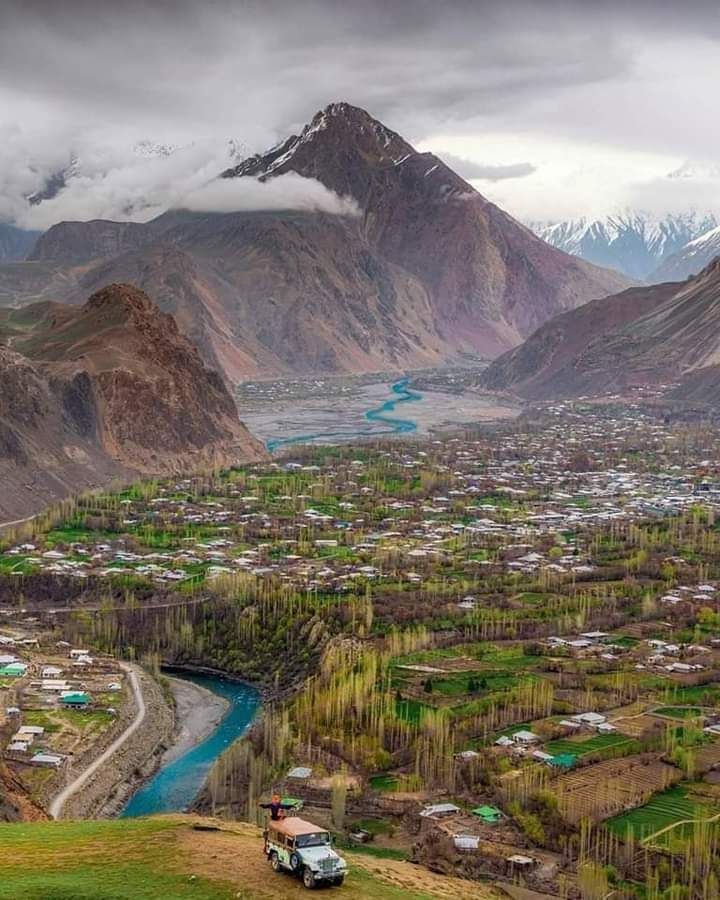
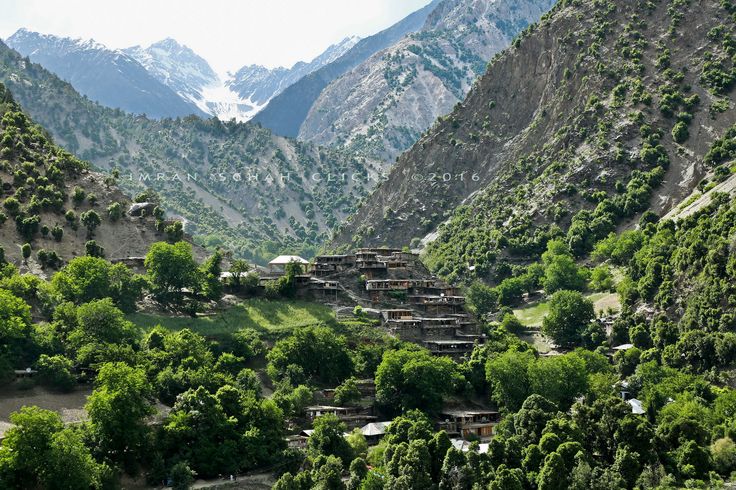
Welcome to the Chitral Valley Grand Expedition by Pamir Crest Adventure Tours, one of the most scenic and culturally rich tours of Pakistan. Chitral is a place of unbelievable contrasts, deep in the heart of the breathtaking Hindu Kush mountain range in Khyber Pakhtunkhwa. Towering snow-capped mountain peaks, lush green valleys, thundering rivers, old mud-brick fortresses, polo fields at dizzying altitudes, and the living history of the Kalash people, one of the last polytheistic civilizations remaining in the world.
This carefully designed 10-day itinerary leads you from the ancient bazaars of Chitral town to the mysterious Kalash valleys of Bumburet, Rumbur, and Birir, where colorful festivals, unique architecture, and traditions that have stood the test of time co-exist with the modern world. You will drive over the famous Shandur Pass (3,734 m), the ‘Roof of the World,’ where an annual polo festival will see Chitral play Gilgit in one of the most spectacular sporting events on earth.
Our local guides, who were born and raised in the region, bring the landscape and culture to life with unparalleled depth and authenticity. All the logistics – from cozy guesthouses and mountain camps to 4×4 vehicles built for these rugged roads – are taken care of by our experienced team so you can focus fully on the wonder around you.
If you are an experienced trekker searching for your next great adventure, a culture vulture wanting to see living history, or a nature photographer looking for that perfect mountainscape, the Chitral Valley Grand Expedition will change your life forever.
TOUR HIGHLIGHTS
|
✓ |
Explore Chitral Fort (1580 AD)—a living museum of Chitrali royalty and history spanning over 400 years |
|
✓ |
Immerse in the ancient Kalash civilization: visit Bumburet, Rumbur & Birir valleys and their sacred shrines |
|
✓ |
Cross the legendary Shandur Pass (3,734 m)—the world’s highest polo ground—with panoramic Hindu Kush views |
|
✓ |
Trek to the base of Tirich Mir (7,708 m)—the world’s highest mountain outside the Karakoram/Himalayas |
|
✓ |
Visit Shahi Masjid (Royal Mosque) and the iconic Chitral Bazaar teeming with local handicrafts |
|
✓ |
Witness traditional Kalash music, dance, and wooden carved architecture unique to these valleys |
|
✓ |
Traverse Lowari Tunnel (8.5 km)—one of Pakistan’s engineering marvels connecting Dir to Chitral |
|
✓ |
Explore Garam Chashma — natural hot springs on the Afghan border renowned for therapeutic properties |
|
✓ |
Drive through the dramatic Mastuj Valley with views of ancient watch-towers and terraced fields |
|
✓ |
Photograph the confluence of the Chitral and Kunar rivers amid towering mountain walls |
|
✓ |
Savor authentic Chitrali cuisine: Shanduri Trout, Chitral Nan, and locally-sourced organic produce |
|
✓ |
Stay in handpicked accommodations ranging from heritage guesthouses to mountain camping under star-filled skies |
|
Arrive at Islamabad International Airport or Peshawar. You will be received by our Pamir Crest representative holding a sign. |
|
Transfer to your hotel in Peshawar. Check-in and freshen up. |
|
Evening pre-tour briefing with your lead guide: route overview, safety protocols, packing essentials, and cultural etiquette. |
|
Welcome dinner featuring traditional Peshawari cuisine — Chapli Kebab, Naan, and Sajji. |
|
Overnight at hotel in Peshawar |
|
Early morning departure by 4×4 vehicles toward Dir District (approx. 4 hours drive). |
|
Stop in Dir Bazaar — browse local Patan embroidery, dried fruits, and antique Chitrali caps. |
|
Enter the legendary Lowari Tunnel (8.5 km), an engineering masterpiece that bypasses the formidable Lowari Pass (3,118m) and keeps Chitral accessible year-round. |
|
Emerge into the Chitral Valley — your first views of the snow-draped Hindu Kush will take your breath away. |
|
Arrive Chitral town (approx. 4–5 hours from Dir). Check in to guesthouse, rest and acclimatize. |
|
Evening stroll along the Chitral River. Brief orientation walk through the main bazaar. |
|
Dinner at guesthouse. Overnight Chitral. |
|
After breakfast, begin a full-day cultural immersion of Chitral town. |
|
Chitral Fort (1580 AD): Built by Sangoor Shah, this imposing mud-and-stone fortress was the seat of the Mehtars (rulers) of Chitral for four centuries. Explore its ramparts, royal chambers, and panoramic towers overlooking the Chitral River. |
|
Shahi Masjid (Royal Mosque): An exquisite example of Chitrali wooden architecture with intricately carved pillars and a serene courtyard. |
|
Chitral Bazaar: Shop for handmade Chitrali Pakol hats, gemstone jewelry (ruby, emerald, tourmaline from local mines), hand-woven woolen shawls, and soapstone carvings. |
|
Lunch at a local restaurant — try Shanduri Trout (fresh-water rainbow trout from mountain streams). |
|
Afternoon: Walk the scenic riverside path along the Chitral/Kunar River. Photograph the dramatic confluence point. |
|
Visit the local polo ground — Chitral is the birthplace of polo and matches are held most evenings in season. |
|
Overnight Chitral. |
|
Depart Chitral (35 km, approx. 1.5 hours by 4×4 on mountain track). |
|
Enter Bumburet — the largest and most accessible of the three Kalash Valleys. The road winds through terraced orchards of walnut, apricot, and mulberry. |
|
Check in to a Kalash-style valley lodge, surrounded by the sounds of the Bumburet River. |
|
Visit the Kalash Museum: Displays of traditional costumes, the distinctive Kalash headdress (Kupas), jewelry, wooden carvings, and historical artifacts documenting the mysterious origins of this ancient community. |
|
Village walk through Anish village: Observe traditional two-story wooden and stone homes, communal grain stores, and the sacred Bashali (women’s menstruation and childbirth house). |
|
Evening: Witness Kalash women in their vibrant embroidered black robes and elaborate headdresses going about daily life. |
|
Dinner featuring local Kalash bread (Bror) and organic mountain produce. Overnight valley lodge. |
|
After breakfast, drive and short trek to Rumbur Valley (adjacent to Bumburet, approx. 45 minutes). |
|
Explore the Sajigur shrine — one of the most sacred Kalash sites, housing wooden ancestor statues (Gandao) and effigies of warriors on horseback. Photography is allowed with cultural respect. |
|
Walk through Rumbur’s ancient Deodar cedar forest — a protected sacred grove and one of the finest surviving natural forests in KPK. |
|
Meet the Kalash Qazi (community leader) for an informal conversation about Kalash cosmology, their festival calendar (Chilim Joshi, Uchal, Chaumos), and cultural preservation efforts. |
|
Afternoon: Return to Bumburet. Optional trek to a viewpoint above the valley for a panorama of the entire Bumburet Valley with Afghanistan peaks visible to the north. |
|
Evening: If timing aligns with a local celebration, witness traditional Kalash circle dance (Dushak) and music performed on drums (Dau) and flutes. |
|
Overnight valley lodge. |
|
Morning departure from Bumburet. Drive back to Chitral junction then continue to Birir Valley (approx. 2.5 hours). |
|
Birir is the smallest and most traditional of the three Kalash valleys, with a stronger preservation of ancient customs and architecture. |
|
Explore ancient wooden houses with ornately carved facades, including original pre-Islamic decorative motifs of ibex, sun, and geometric patterns. |
|
Visit the Birir ancestral graveyard — a remarkable anthropological site where carved wooden effigies (Gandao) mark the graves of warriors and elders. |
|
Trek to the community wine press area — Kalash are one of few communities in Pakistan who traditionally produce and consume grape wine. |
|
Afternoon free time: Photography, painting, or simply sitting by the river with Kalash children who are famously friendly and curious. |
|
Evening cultural exchange dinner hosted by a local Kalash family (arranged by Pamir Crest). An unforgettable window into a living ancient civilization. |
|
Overnight Birir guesthouse. |
|
Return from Birir to Chitral (approx. 2.5 hours), then continue north to Garam Chashma (45 km, approx. 1.5 hours). |
|
The road follows the Chitral River through dramatic narrow gorges with vertical cliff faces towering hundreds of meters on both sides. |
|
Arrive Garam Chashma (‘Hot Spring’ in Urdu/Dari) — a small valley settlement close to the Afghan border, famous for its sulphurous thermal springs. |
|
Enjoy a soak in the natural hot springs, believed to have healing properties for skin ailments and joint pain. Temperature averages 50–60°C in the source pools. |
|
Optional: Walk to the Afghan border viewpoint — the landscape becomes increasingly Central Asian in character with different vegetation and distinctive local architecture. |
|
Visit the local Wakhi and Nuristani community markets — this is a crossroads of trade routes used for centuries. |
|
Overnight at a mountain inn in Garam Chashma. |
|
Depart Garam Chashma and return to Chitral, then continue north up the Chitral River toward Mastuj (90 km, approx. 3–4 hours). |
|
The Mastuj Valley is one of the most dramatic drives in all of Pakistan: the road clings to sheer cliff faces above the jade-green Chitral River, passing through narrow gorges and past ancient stone watchtowers perched on rocky spurs. |
|
Arrive at Mastuj Fort — a traditional Chitrali fortress that once guarded the vital trade route between Chitral, Gilgit, and Central Asia. The fort is still inhabited by descendants of the original custodian family. |
|
Explore Mastuj Bazaar and the old village: architecture here is distinctly different, blending Chitrali and Wakhi influences. |
|
Afternoon: Acclimatize for tomorrow’s Shandur Pass crossing. Rest recommended. |
|
Optional evening walk along the Chitral River to photograph the peaks of the Hindu Kush at golden hour. |
|
Briefing for Shandur Day: equipment check, layering system, water and snack preparation. |
|
Overnight Mastuj guesthouse. |
|
Early departure (6:00 AM) from Mastuj. The Shandur Pass road (58 km) climbs steadily through increasingly alpine terrain. |
|
Pass through Teru Valley: spectacular glacial meadows with wildflowers in season (June–August), ibex sightings possible on upper rocky slopes. |
|
Reach Shandur Pass (3,734m) — the highest polo ground on Earth. On clear days, views extend across the Hindu Kush to the Pamirs and Karakoram. |
|
Explore the famous Shandur Polo Ground: every July, the legendary Shandur Polo Festival sees teams from Chitral and Gilgit compete in a game unchanged for centuries. The atmosphere is electric even without the festival. |
|
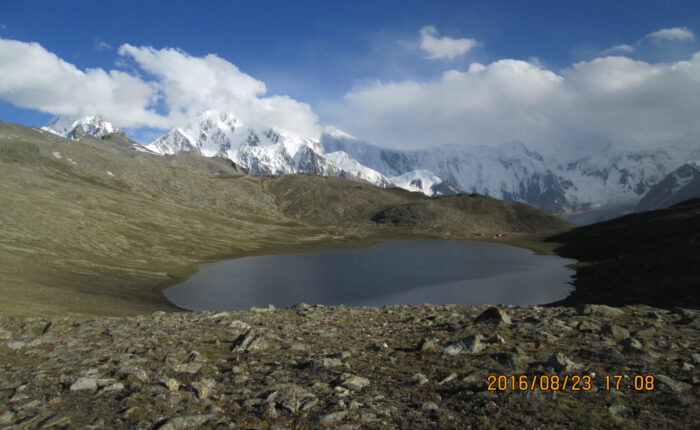
Walk to Shandur Lake: a pristine high-altitude lake reflecting the surrounding peaks. In summer, the meadows around the lake are carpeted with wildflowers. |
|
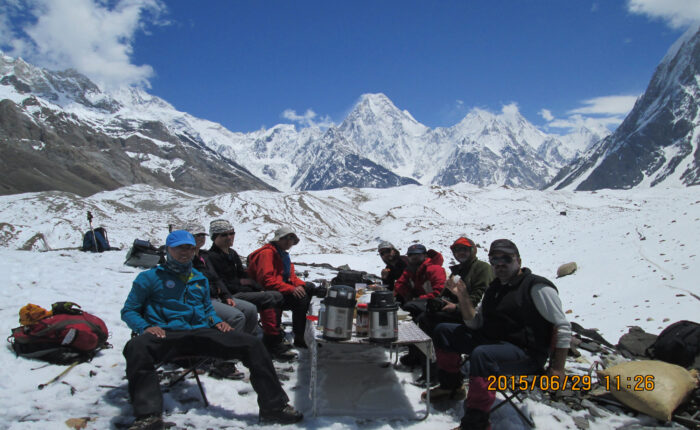
Picnic lunch at the pass prepared by our camp team. |
|
Photography: Sweeping 360-degree panoramas of the Hindu Kush and Karakoram mountain systems. |
|
Set up mountain camp at Shandur. Evening bonfire with local music and storytelling. |
|
Star-gazing at 3,734m elevation — the Milky Way is spectacular on clear nights. |
|
Overnight mountain camp. |
|
Final sunrise at Shandur Pass — a moment you will carry with you forever. |
|
After breakfast, pack camp and begin the descent back to Mastuj and then Chitral (approx. 5–6 hours). |
|
Opportunity for last-minute shopping in Chitral Bazaar: Chitrali hats, gemstones, dried fruits, honey, and handwoven textiles. |
|
Farewell lunch at Chitral’s finest restaurant. |
|
Depart Chitral for Peshawar via Lowari Tunnel. Arrival Peshawar evening. |
|
Drop-off at Peshawar airport or hotel for onward connections to Islamabad or international departures. |
|
Your Chitral Valley Grand Expedition is complete. |
✔️ Accommodation: Hotel stays throughout the trip.
✔️ Guide: Professional English-speaking tour guides.
✔️ Transport: All road transfers, including 4×4 jeeps for mountain tracks.
✔️ Airport pick-up & drop-off
✔️ English-speaking guide throughout the tour
✔️ Guided sightseeing & activities
✔️ Entrance tickets to forts, museums & heritage sites
✔️ Breakfast daily (other meals per package)
✔️ Road tolls, parking fees & taxes
❌ International flights
❌ Visa fees
❌ Travel insurance
❌ Lunches & dinners unless included
❌ Personal shopping & drinks
❌ Adventure activity fees (optional)
❌ Tips for guide & driver
❌ Anything not listed under “Included”