+923554945378
[email protected]

The Nanga Parbat Round Trek via the Mazeno Pass (5,377 m) stands out as one of the most spectacular and challenging high-altitude treks in Pakistan. This trek takes you around Nanga Parbat (8,125 m), which is the ninth-highest mountain in the world. Nanga Parbat Round Trek Mazeno Pass.
Often referred to as the “Killer Mountain,” Nanga Parbat has earned its reputation among climbers due to its steep terrain and challenging climbing routes. Notably, Hermann Buhl achieved the first successful summit in 1953, marking a significant milestone in Himalayan climbing.
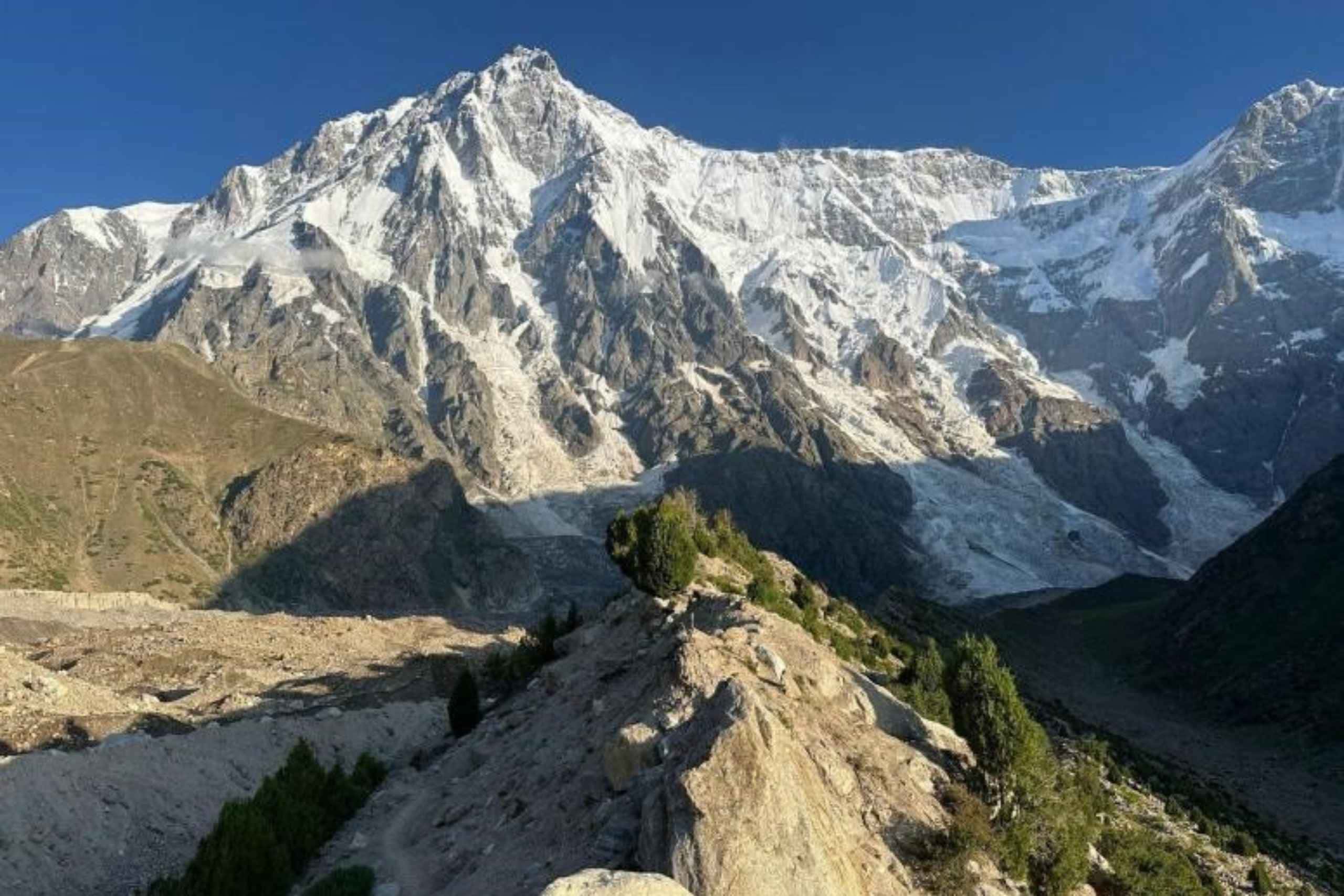
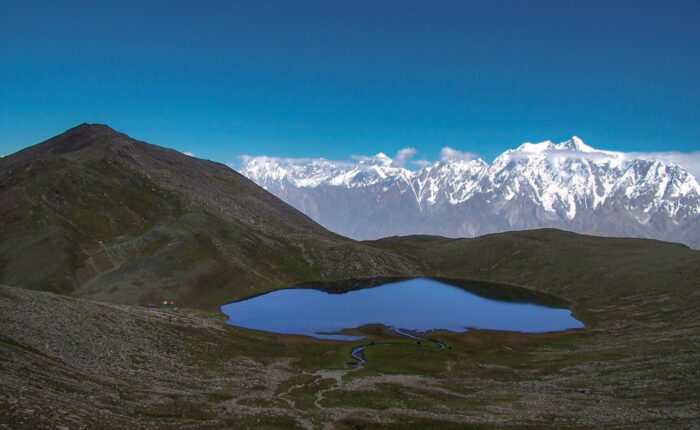
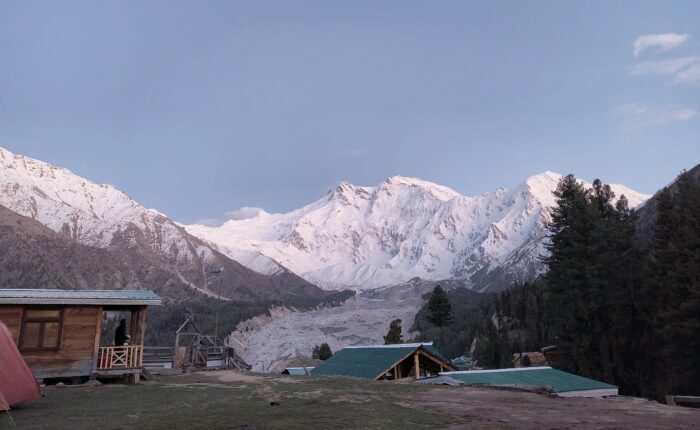
As you embark on this incredible trek, you will circle the Nanga Parbat massif, which showcases three stunning faces: the Diamir, Rupal, and Rakhiot faces. Along the way, you will encounter breathtaking views of glaciers, alpine meadows, and remote valleys, revealing some of the most dramatic mountain landscapes on the planet.
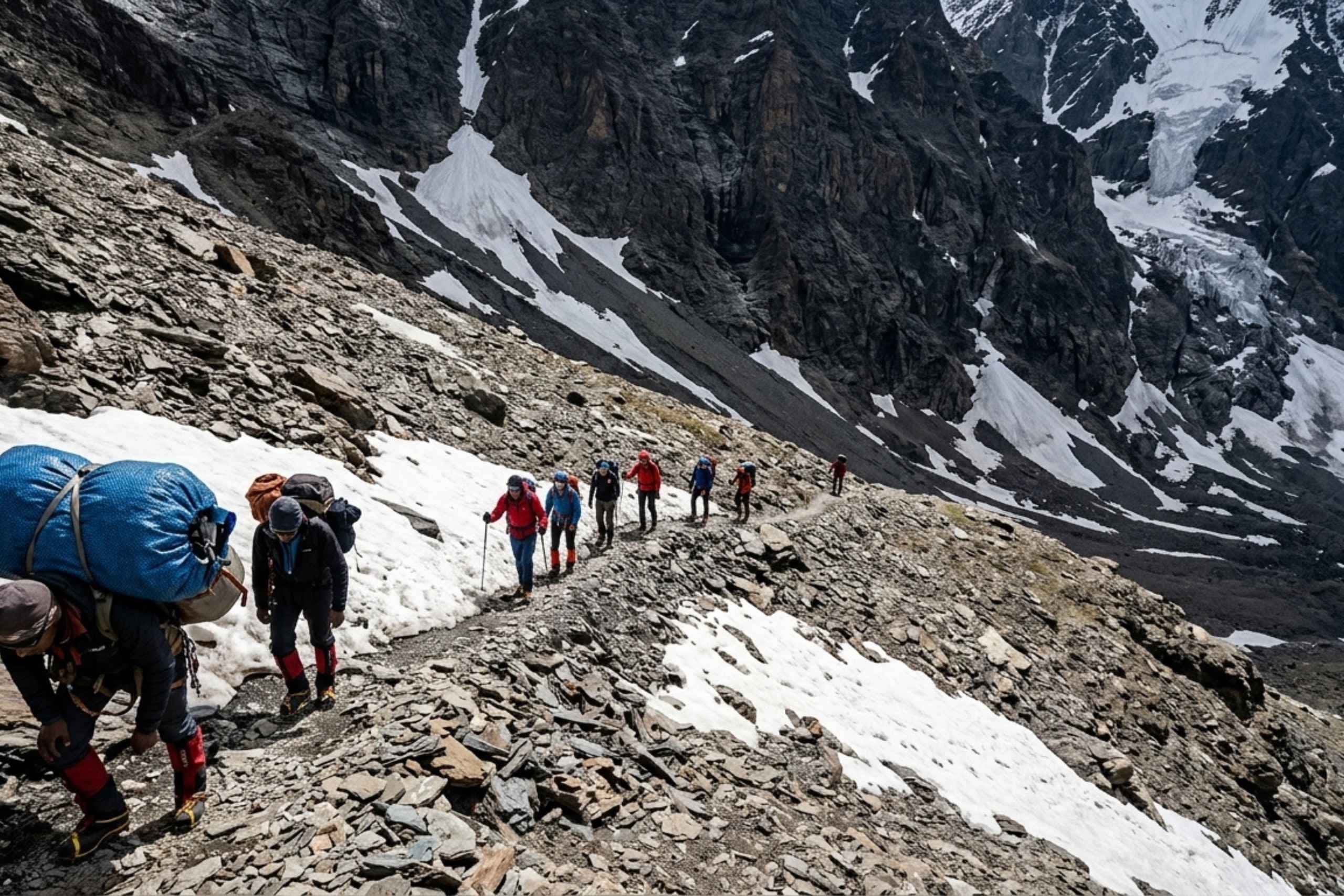
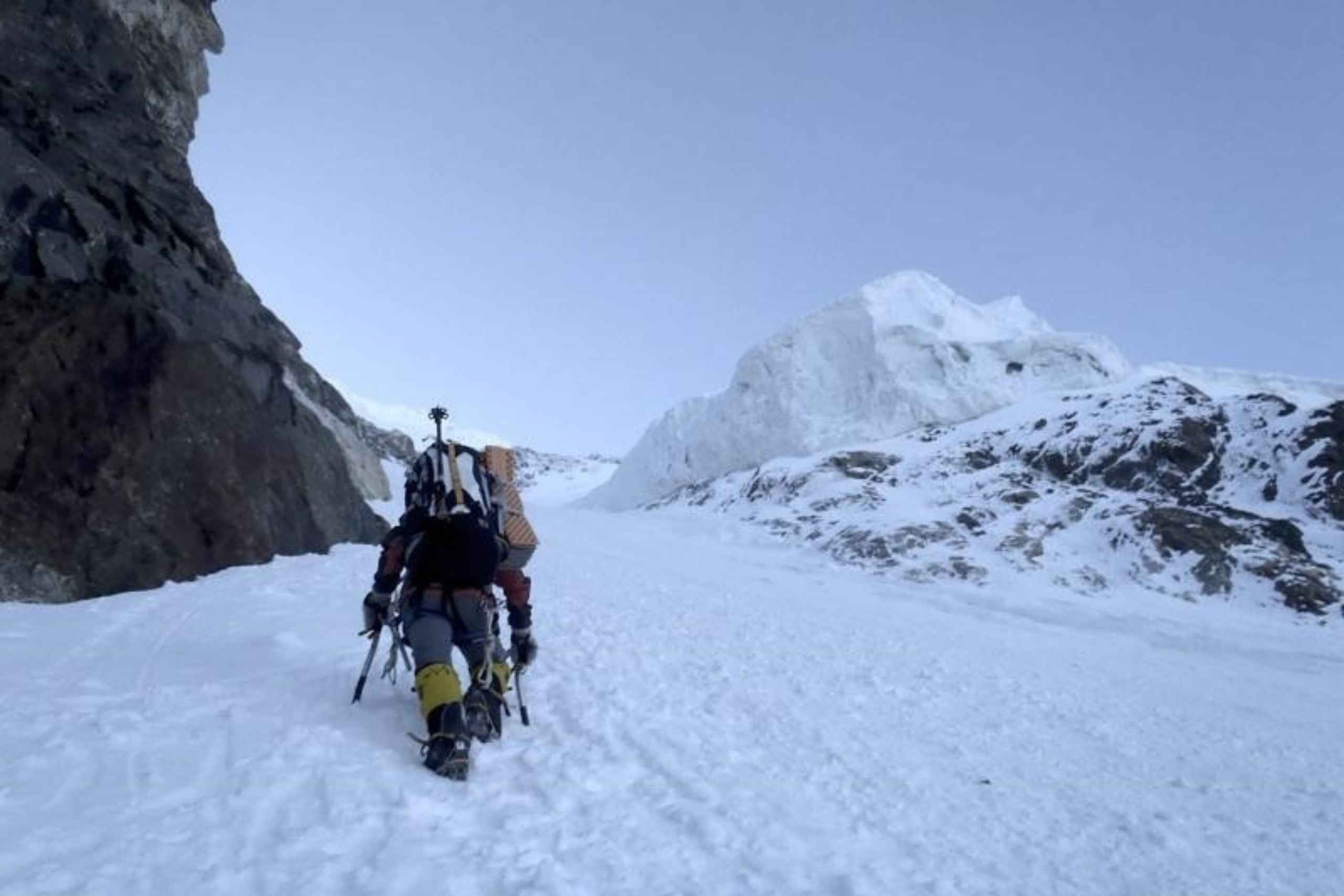
However, the trek becomes more demanding when you cross the Mazeno Pass (5,377 m). Therefore, good physical fitness and prior experience in high-altitude trekking are essential. Be prepared for technical sections where you may need to use crampons, ropes, and glacier safety techniques, depending on the conditions.
Nanga Parbat Round Trek Mazeno Pass
Leave Islamabad very early for the north on the Karakoram Highway (KKH)—one of the most spectacular roads in the world. The route climbs through Hazara, passing Besham and following the Indus River gorge northwards. Stop at Thakot Bridge to enjoy the river. Reach Chilas or Naran by evening; both are good halting points for the night, depending on your pace and road conditions.
At Jaglot, branch off the KKH and take the jeep track south into the Astor Valley. The road passes through the administrative town of Astor, where permits and local formalities can be verified. Follow the increasingly rough tracks south through terraced fields and pine forests to the village of Tarashing, gateway to the Rupal Face. Here, get porters and final provisions in order.
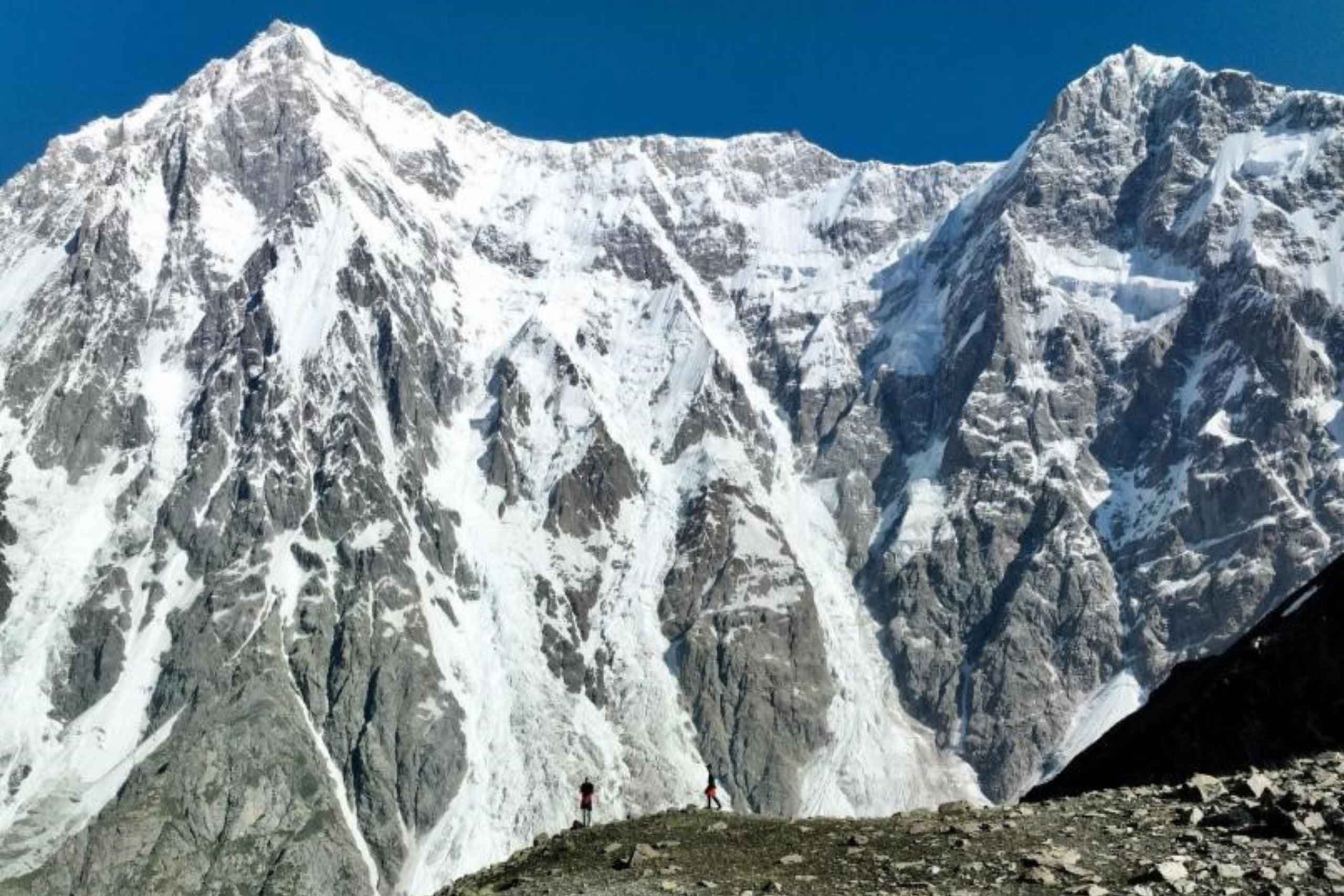
A rough jeep or bus ride takes you further into Rupal Valley along the south flank of Nanga Parbat. And then the Rupal Face, the highest mountain wall in the world at 4,600m, begins to dominate the skyline. Establish Camp 01 in the meadows of the Rupal Valley at the junction of streams. The night view of Nanga Parbat’s Rupal Face at dusk is unforgettable. Rest and acclimatise.
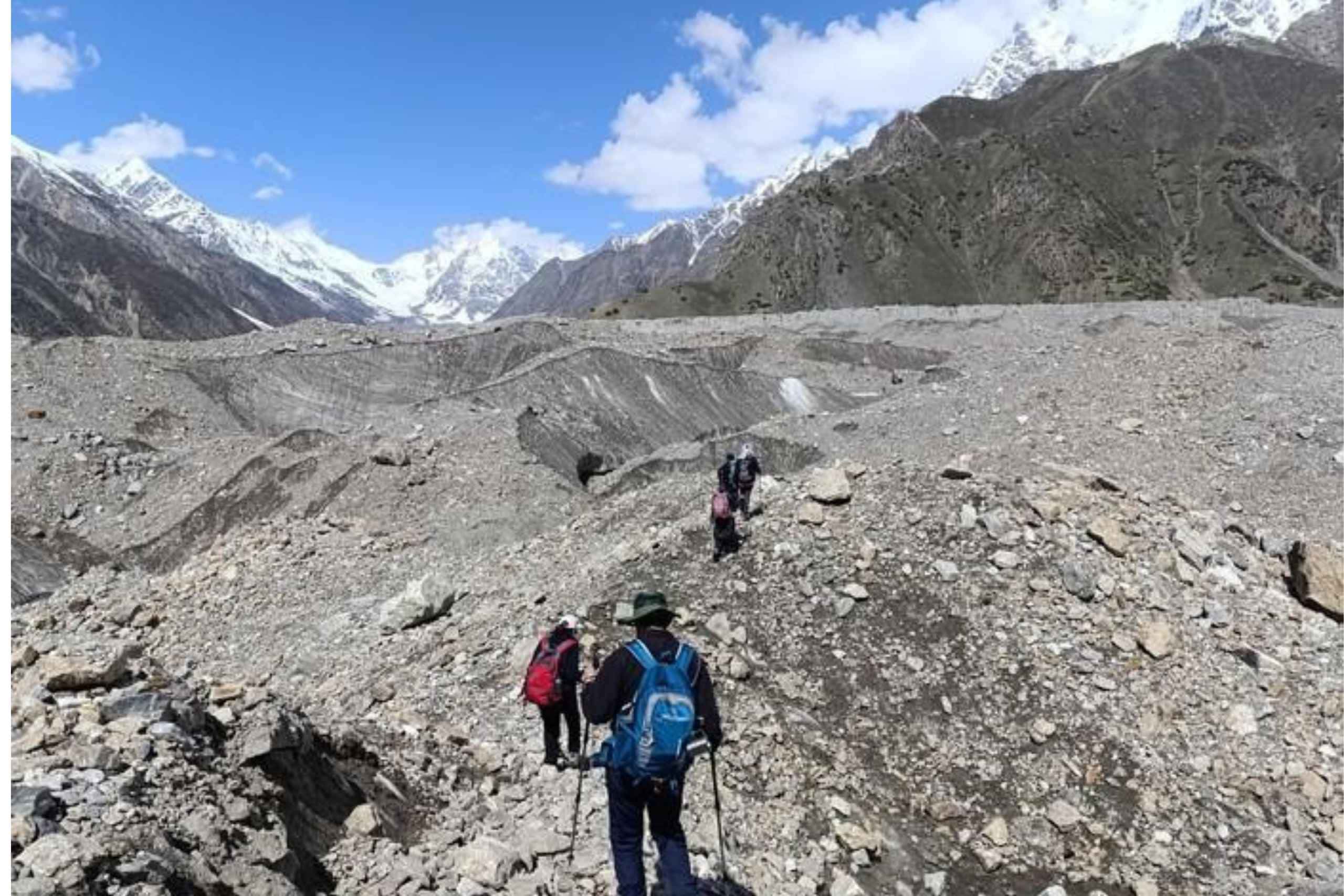
The first full day of trekking takes us up the Rupal River through moraines and boulder fields. The path climbs gently, the great southern wall of Nanga Parbat filling the whole northern horizon. For those attempting the Rupal Face, Halingcofar is the traditional base camp. Camp 02 is set in dramatic glacial scenery with views up towards the Mazeno Ridge.
Going further up-valley, the trail becomes more demanding, crossing side-streams and traversing glacier moraines. Latoba sits in a bouldery basin with great views back to the Rupal Face and forward to the Mazeno La area. The effects of altitude are starting to be felt—drink plenty of fluids, keep a steady pace, and don’t rush. Recommended afternoon siesta.
Today: high-altitude zone with big altitude gain over 4,000m. The landscape becomes more stark. Sparse vegetation. Permanent snowfields on surrounding peaks. Air noticeably thinner. Shaigiri offers panoramic views of the Astore-Rupal massif. Pitch tents, then short walks above camp for acclimatization day activities.
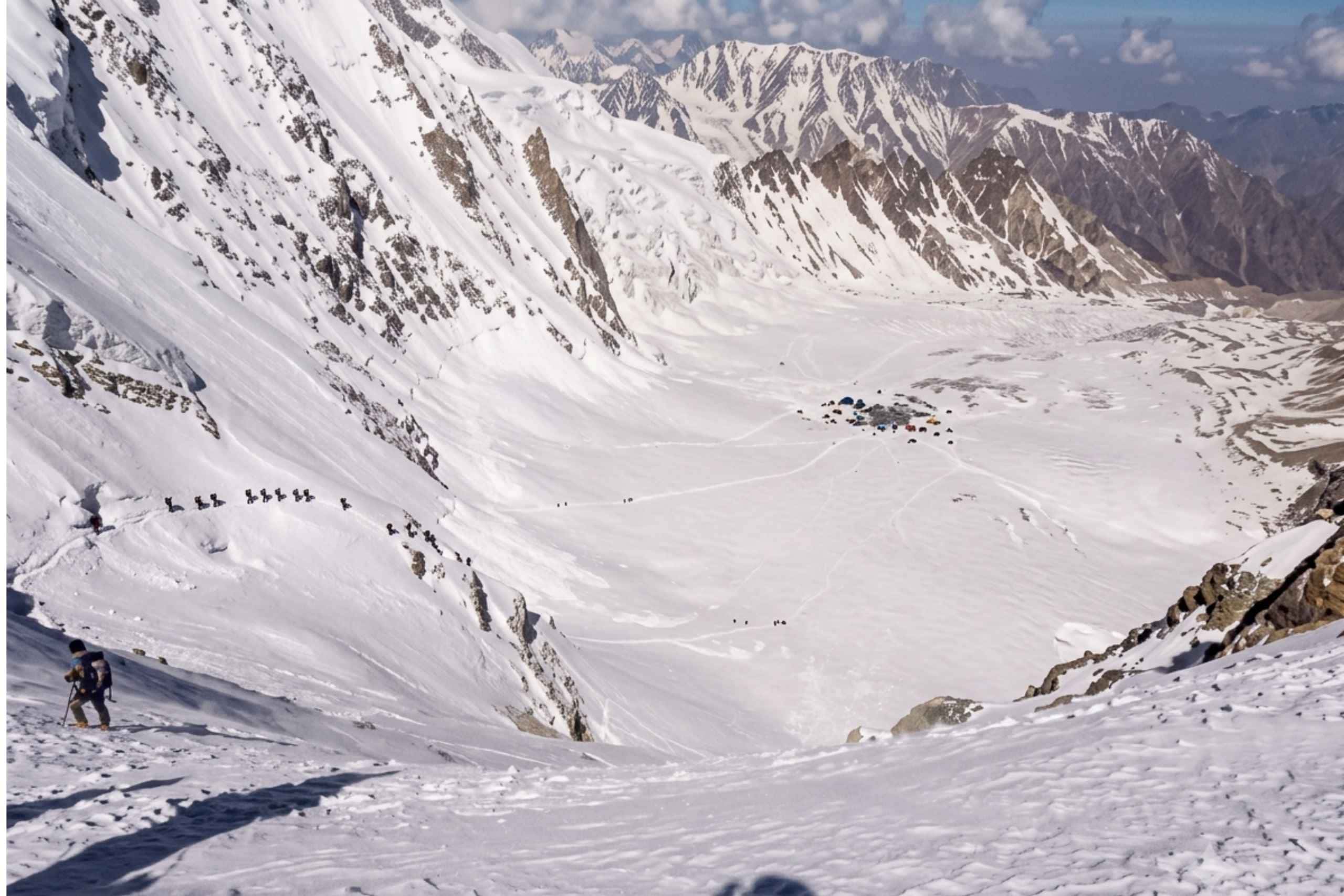
A tough but rewarding section near the bottom of the Mazino glacier system. Camp 05 at 4,724 m is the highest sleeping altitude before the pass itself. The trail runs across snowfields and rocky ridges (crampons may be required, depending on conditions). It’s a big night of acclimatization.” Get some rest, eat right, and get ready to pass the pass. Guides being briefed on tomorrow’s schedule.
Long day of traversing across the high flanks of the Mazino system to establish Mainzo Base Camp, your staging point for the pass. The route crosses technical glacier terrain requiring ropes and ice axes. Follow guide roping procedures precisely. The drop to 4,300m is a small physiological relief before tomorrow’s summit push. Check all gear, pack light for pass day, and get to bed early.
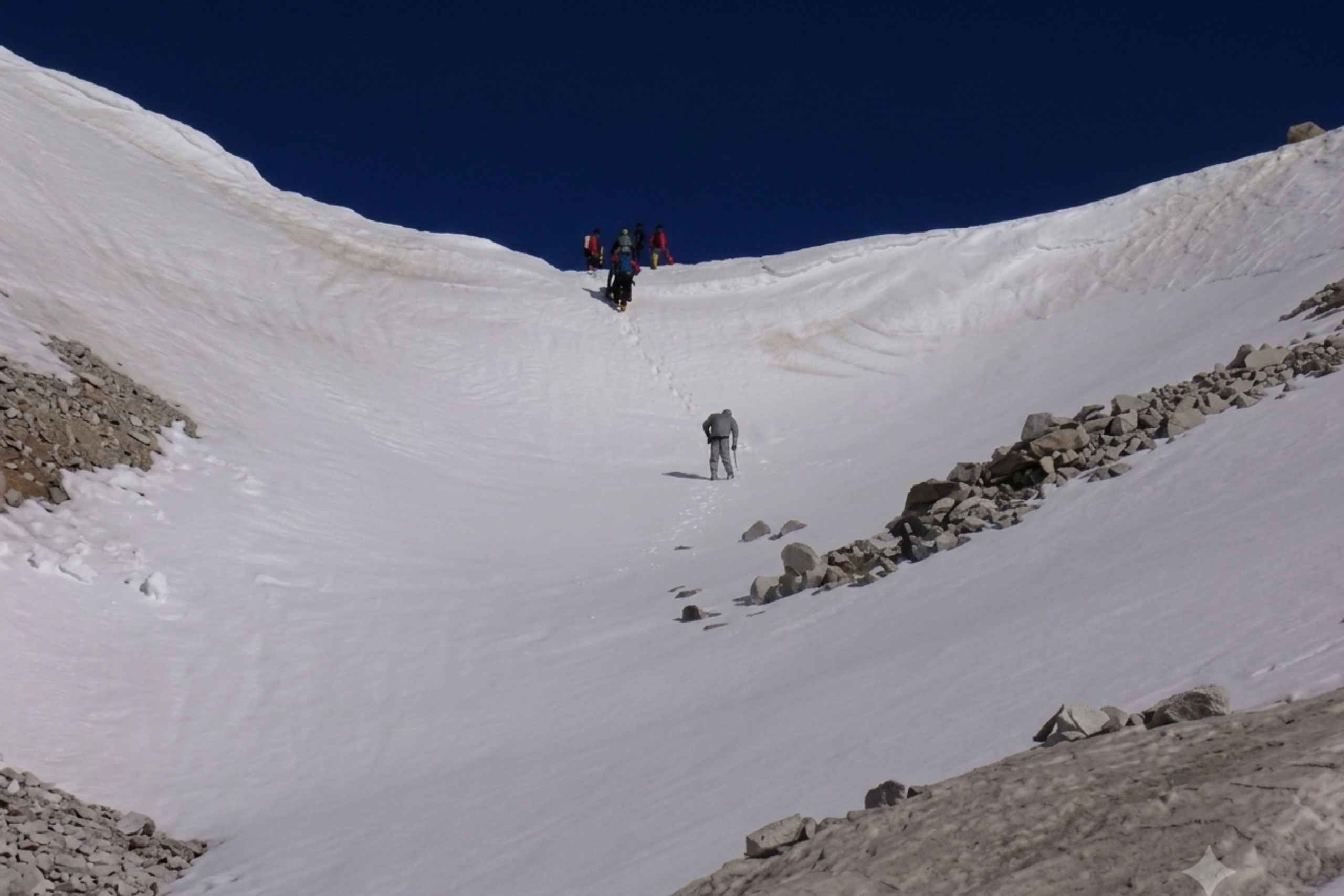
THE DAY OF KEYS. Put on your headlamp at 1–2 AM and head for the Mazino Pass (5,733 m) in cold, firm snow conditions. The climb is steep in places and requires crampons, ice axes, and a rope. The world opens up at the summit: Nanga Parbat to the north, the plains of the Indus far below, and the wild Diamir valley to the west. On the far side, the descent drops into the Loaiba Valley. It is a long day, hard but victorious.
A recovery day with a continuous descent through the Loaiba Valley. The body is ready for the downhill gradient after yesterday’s monumental effort. The Loaiba is a beautiful, isolated valley with rushing glacial streams, wildflowers in season, and ibex sometimes seen on the slopes. The big drop in altitude to 3000 m will make a real difference for breathing and energy levels. Celebrate the crossing of the pass tonight.
It’s a day of re-ascent that might surprise tired legs; the itinerary climbs back up to 4,000 m as it enters the Marll area. Here the nature of the terrain changes, entering the Diamir/western Nanga Parbat watershed. The ridge crossings give new views of the massif. It’s a hard day physically after the pass, so be sure to maintain your nutrition and hydration. Camp at Marll in a sheltered basin.
The trek is over, and the wheels are back. A long jeep ride through the Diamir valley and connecting tracks brings you down to the Indus-side settlement of Halal Bridge. The roads here are rough, and you may have to cross rivers depending on the season. This is a transition day, the end of high mountains. Celebrate with the team, and tip your porters well. Last night under the stars of the Indus.
Final drive south on the KKH back to Islamabad. The city – after a fortnight of raw mountain wilderness – is surreal. Allow plenty of time for the drive and the airport formalities. The end of a great adventure. The Rupal Face, the highest mountain wall on earth. The Mazino Pass at 5733m. Some of the most remote valleys of Pakistan. Few take a journey like this.
✔️ Accommodation: Hotel stays throughout the trip.
✔️ Guide: Professional English-speaking tour guides.
✔️ Transport: All road transfers, including 4×4 jeeps for mountain tracks.
✔️ Airport pick-up & drop-off
✔️ English-speaking guide throughout the tour
✔️ Guided sightseeing & activities
✔️ Entrance tickets to forts, museums & heritage sites
✔️ Breakfast daily (other meals per package)
✔️ Road tolls, parking fees & taxes
❌ International flights
❌ Visa fees
❌ Travel insurance
❌ Lunches & dinners unless included
❌ Personal shopping & drinks
❌ Adventure activity fees (optional)
❌ Tips for guide & driver
❌ Anything not listed under “Included”