
Most trekkers come to Gilgit-Baltistan for K2. And they should—it’s legendary. But if you want something wilder, quieter, and frankly more exclusive, point your boots toward Shimshal Pass.
At 4,735 meters (15,535 feet) , Shimshal Pass isn’t the highest pass in the Karakoram. But it might be the most beautiful you’ve never heard of. Tucked deep inside the remote Shimshal Valley—itself accessible only via a bone-rattling jeep ride—this trek delivers jaw-dropping lake views, encounters with Wakhi mountain culture, and a genuine sense of discovery.
Here’s everything you need to know.
Why Shimshal Pass?
Unlike crowded Concordia, you might share the Shimshal Pass trail with just one or two other groups—or none at all. The trek crosses lush pastures, moraine fields, and finally a stark, lunar pass overlooking a brilliant turquoise lake that few Westerners have photographed.
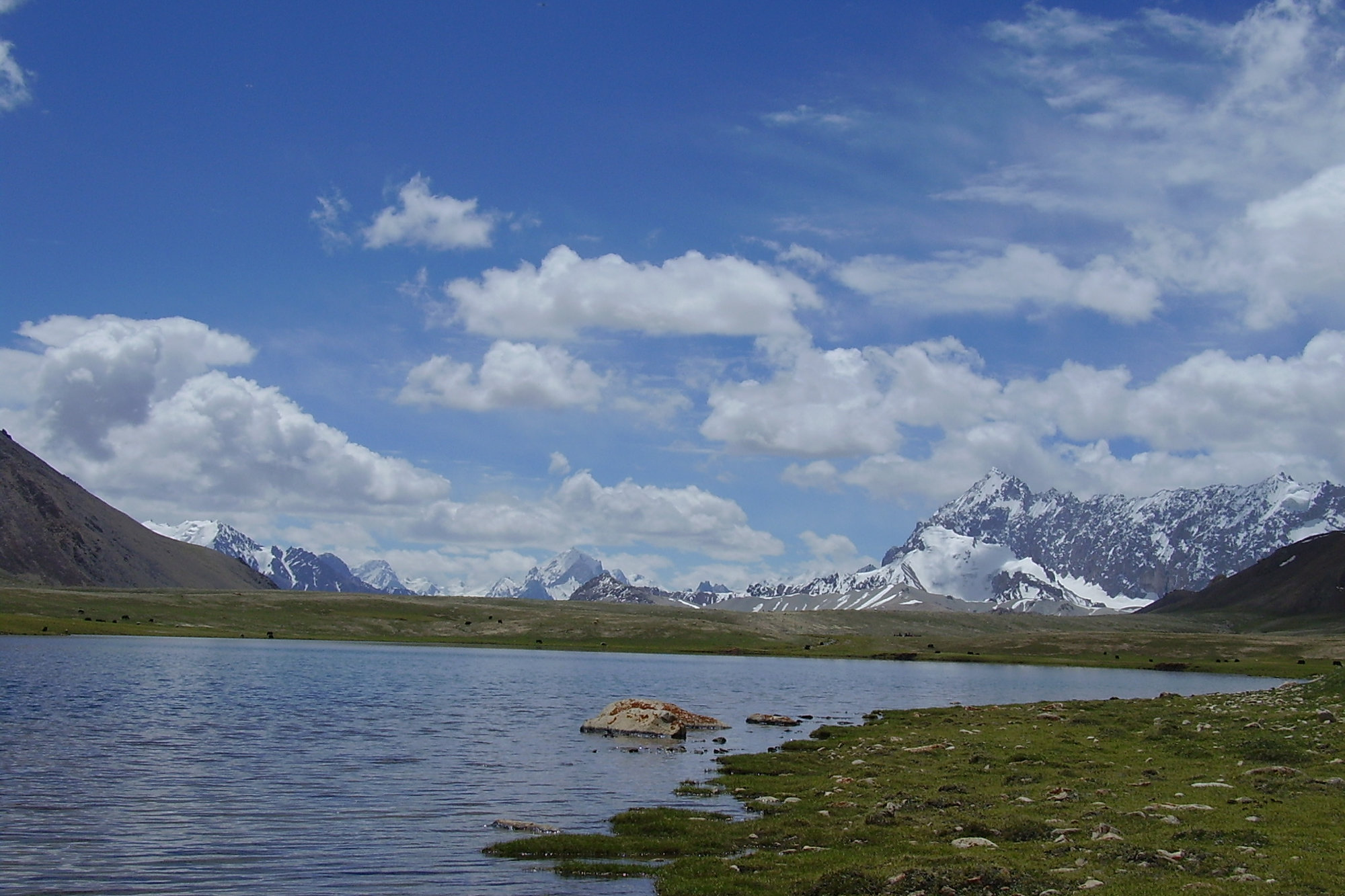
The pass connects the Shimshal Valley to the remote Hushe Valley, but most trekkers do an out-and-back or a loop that returns via the same route. Either way, the centerpiece is Shimshal Pass Lake—a small, ice-cold jewel that sits just below the pass, reflecting surrounding peaks on calm days.
Famous Spots Along the Trek
· Shimshal Village: The last proper settlement. Stay with local families, try apricot soup, and listen to stories of mountaineer Samina Baig (Pakistan’s first female K2 climber, who grew up here).
· Shimshal Pamir: A high-altitude summer pasture with yaks, shepherd huts, and a sense of being on the roof of the world.
· Shuijerab Camp: The final camp before the pass. Rocky, windswept, and unforgettable.
· Shimshal Pass Lake (4,600m): A stunning alpine lake that sits like a mirror beneath the pass. Depending on the season, it may be partially frozen or completely thawed—bright turquoise against grey scree.
· The Pass Itself (4,735m): Prayer flags snap in the wind. To the north, distant peaks of the Karakoram. To the south, the valley you just climbed. And below, that impossible blue lake.
How Difficult Is the Shimshal Pass Trek?
Rating: Moderate to Strenuous
This is not a beginner trek. You’ll need:
· Good cardiovascular fitness (you’ll be hiking 6–8 hours per day on the hardest sections)
· Prior high-altitude experience (above 3,500m is strongly recommended)
· Comfort with basic scree scrambling near the pass
The main challenge isn’t technical—it’s the altitude gain and the long push to the pass from Shuijerab (around 900m up in a single day). That said, the trail is clear, and you won’t need ropes or crampons in summer.
Typical itinerary (8–9 days round trip from Shimshal village):
· Day 1: Acclimatization walks from Shimshal village
· Day 2: Trek to Past Firzeen (4–5 hours)
· Day 3: Trek to Arbob-e-Piryaan (5–6 hours)
· Day 4: Trek to shuijerab ( 4-5 hours0
. Day 5; Summit Shimshal Pass, visit the lake, return to Shuijerab (2-4 hours – the big day)
· Day 6–8: Return via same route
Best Time to Go
June to mid-October is your window.
· June: Wildflowers blooming. Snow may linger near the pass. Fewer trekkers.
· July–August: Warmest weather (daytime 10–18°C / 50–65°F at lower elevations). Pass is usually clear. The most popular time.
· Early September: Cooler, stable weather. Autumn colors in the valley. Excellent.
. Mid October: Cooler, snow at Shimshal Pass, Witness the Kucch festival( migration of cattle from Shimshal Pass to Shimshal Valley.
Avoid December–May. The pass is snowed in, and temperatures drop well below freezing.
Weather Conditions
· Days at lower elevations (3,000–3,500m): Pleasant, 15–20°C (59–68°F)
· Days near the pass (4,000m+): 0–10°C (32–50°F), but windchill makes it feel much colder
· Nights: Below freezing at high camps. Expect -5 to -10°C (23–14°F) in July/August
· Precipitation: Rare but possible. Afternoon clouds and occasional light rain/snow
· Wind: Strong at the pass itself. Bring a windproof layer
Pro tip: Weather can change in 20 minutes. Always carry rain gear and an extra warm layer.
What Gear You Will Need
Essentials (don’t skimp):
· Footwear: Broken-in, waterproof trekking boots with ankle support
· Sleeping bag: Rated to -10°C (14°F) or lower
· Sleeping pad: At least R-value 3.0 (you’ll be on rocky ground)
· Backpack: 50–70 liters (porters can carry your main bag; you take a daypack)
Clothing (layering system):
· Base layer: Merino wool or synthetic (no cotton)
· Mid layer: Fleece or lightweight down jacket
· Outer layer: Waterproof/windproof shell jacket + pants
· Insulated down jacket (heavy) for camp and pass morning
· Trekking pants (2 pairs), thermal leggings for sleeping
· Warm hat, gloves liner + heavy gloves, buff/neck gaiter
Accessories:
· Sunglasses (category 3 or 4 – snow reflection is intense)
· Sunscreen SPF 50+ and lip balm
· Trekking poles (essential – saves knees on descent)
· Headlamp with extra batteries
· Water bottles + insulated bottle (or hydration bladder)
· Water purification (tablets or filter – streams are clean but treat anyway)
· Personal first aid kit including Diamox (for altitude), ibuprofen, blister care
Nice to have:
· Camera (obviously)
· Power bank (no electricity on trail)
· Lightweight camp shoes (Crocs or sandals)
What to Carry (Packing List Summary)
Category Items
Clothing Base layers, fleece, down jacket, shell jacket/pants, trekking pants, warm hat, gloves, buff
Footwear Trekking boots, camp shoes, trekking socks (3–4 pairs)
Sleeping -10°C sleeping bag, sleeping pad
Tech Headlamp, power bank, camera, spare batteries
Health/Safety Sunscreen, lip balm, first aid kit, Diamox, blister patches, water purification
Hydration 2x 1L bottles or bladder (carry 2–3L daily)
Misc Trekking poles, daypack (20–30L), small towel, wet wipes, toilet paper, trash bag (leave no trace)
Don’t carry:
· Heavy tent (we provide or porters carry group gear)
· Cooking equipment (group gear)
· More than 10–12 kg personal load if using a porter
How to Travel to the Trek Start
Step 1 – Fly or drive to Gilgit:
· Fly: 45-minute flight from Islamabad to Gilgit (scenic but weather-dependent). Book early.
· Drive: 14–16 hours on the Karakoram Highway. Longer but reliable.
Step 2 – Jeep to Shimshal Village:
From Gilgit, take a shared or private 4×4 to Shimshal village (approx. 6–8 hours). The road is rough—narrow, dusty, and carved into cliffs. Hold on, enjoy the views, and don’t look down.
Step 3 – Trek begins:
Shimshal village (3,100m) is your trailhead. You’ll need a guide and permits (we arrange these).
Pro tip: Spend at least one full night in Shimshal village before trekking to acclimatize. Drink plenty of water and go for a short walk.
What Views Are on the Way (And the Famous Lake)
· Shimshal Valley: Terraced fields, apricot orchards, and stone-walled houses against grey peaks.
· Shimshal Pamir: Rolling green pastures dotted with yaks. In summer, shepherds sing while making butter.
· Shuijerab: Stark, rocky, and silent. The mountains here feel ancient and indifferent.
· Shimshal Pass Lake (the star): A small, intensely blue lake tucked into a rocky basin just below the pass. No outlet stream—it sits like a forgotten gem. On windless mornings, it perfectly mirrors the surrounding 5,000m+ peaks. You’ll want to sit here for an hour. Or a day.
· From the pass itself: A 360° panorama of jagged Karakoram peaks, including distant views of Distaghil Sar (7,885m) on clear days.
Ready to Trek Shimshal Pass?
At Pamir Crest , we run small-group Shimshal Pass treks with local guides who grew up in Shimshal village. They know every short-cut, every water source, and every story hidden in these mountains.
2026 departures:
· July 10–18
· August 5–13
· September 1–9
. October 9-13
Price includes : Permits, guide, porters, all meals on trek, camping gear (except sleeping bag), and jeep transfers from Gilgit.
👉 [Book your Shimshal Pass trek here] (internal link)https://pamircrest.com/tour/the-high-road-to-the-pamirs-shimshal-pass-trekking-adventure/