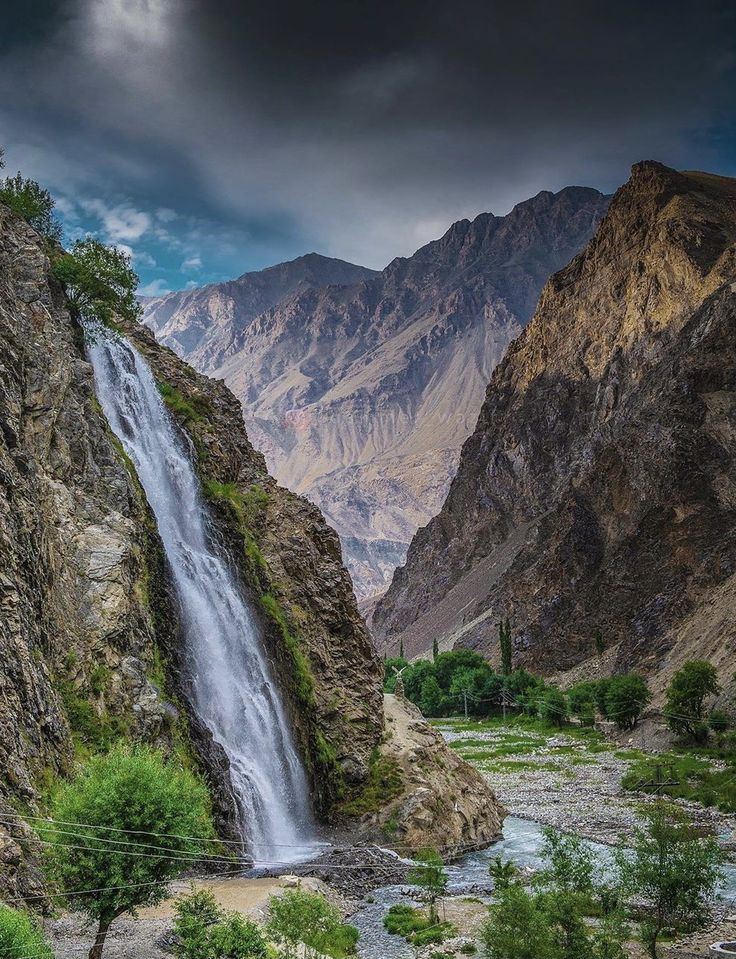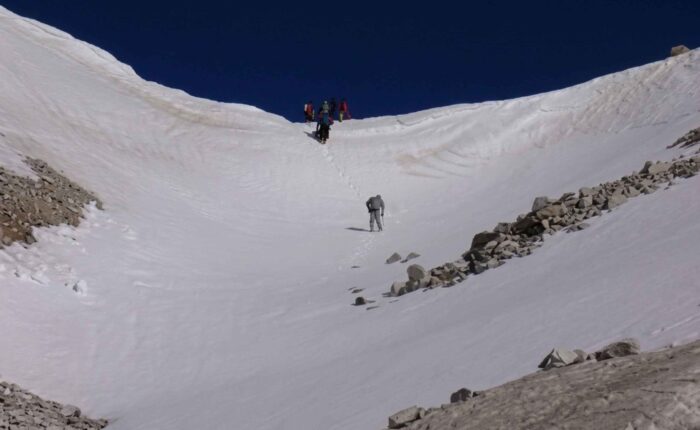
Embark on the Skardu Cultural Tour, a meticulously crafted 8-day adventure that unveils the incredible richness of Baltistan—one of Asia’s most historically significant and visually stunning regions. This journey transcends a mere trekking experience; it invites travelers to immerse themselves in the majestic mountains while discovering vibrant cultures, ancient forts, sacred lakes, traditional villages, and the timeless beauty of the upper Indus Valley.
Long ago, Baltistan thrived as a powerful independent kingdom along the ancient Silk Road, leaving behind a legacy etched in the very stones of its landscape. As you explore, you will encounter three magnificent forts—Karphocho in Skardu, Shigar Fort (now transformed into a heritage hotel), and the palace fort of Khapalu—each offering a captivating glimpse into Balti royal history that spans centuries. Nestled above the Skardu Valley, a luxurious mountain resort awaits, alongside glacial lakes of breathtaking beauty and the warm hospitality of the Balti people, ensuring a culturally enriching and visually unforgettable experience.
Your adventure begins and concludes with flights from Islamabad to Skardu. Acknowledging the unpredictability of mountain flights due to weather conditions, we incorporate a rest day into the itinerary. This flexibility allows for a one-day disruption without sacrificing any essential experiences.
Your Skardu adventure begins at Islamabad’s New Islamabad International Airport (ISB) with your morning PIA or Serene Air flight north to Skardu. The flight itself is one of the most breathtaking in the world — approximately one hour of aerial spectacle as the Himalayan foothills give way to the full scale of the Karakoram. On a clear day, Nanga Parbat (8,126 m) fills the western horizon, and the final approach to Skardu swoops between canyon walls and across the silver ribbon of the Indus River. Few flights anywhere on Earth can match it.
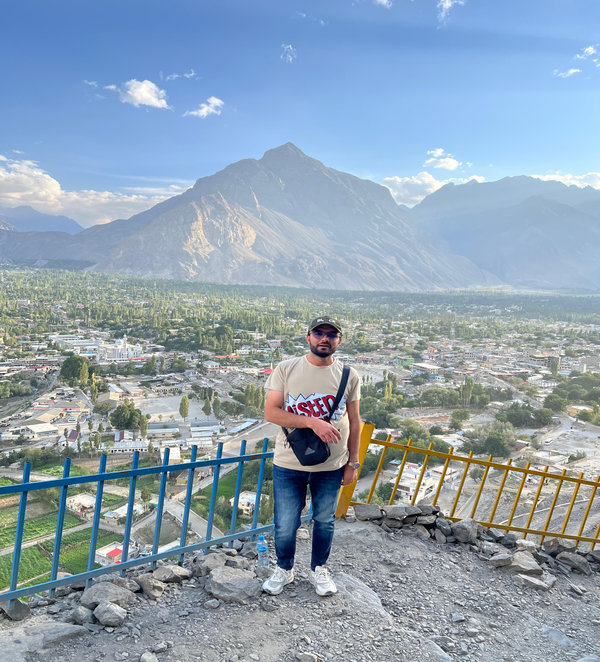
Arriving in Skardu, you are met by your guide and transferred to your hotel. Skardu city, the capital of Gilgit-Baltistan, sits in a broad valley at 2,438 metres, the Indus River running along its southern edge and great golden-brown rock walls rising on every side. The city has a lively bazaar, excellent local restaurants, and a strong sense of being at the threshold of the world’s greatest mountain wilderness. Spend the afternoon settling in, exploring the main market, and adjusting to the altitude gently.
This day is intentionally kept free. Skardu flights operate on Visual Flight Rules only and are frequently delayed or cancelled due to cloud and wind over the mountains. If your Day 1 flight was on schedule, Day 2 gives you a valuable opportunity to acclimatize to the altitude, explore Skardu at a relaxed pace, and get your bearings before the cultural journey begins in earnest. If your Day 1 flight was delayed, this day absorbs that delay without disrupting the rest of the itinerary.
Skardu itself offers more than most visitors expect. The old Skardu Bazaar is a fascinating maze of small shops selling dried apricots, local gemstones (aquamarine, topaz, and tourmaline are mined in the area), traditional Balti handicrafts, and warm chapshuro flatbreads fresh from clay ovens. The nearby Kachura Road offers beautiful evening walks with views across the Indus flood plain to the sand dunes of Katpana Desert — a remarkable sight at this altitude. Your guide can suggest short walks or drives depending on how you feel.
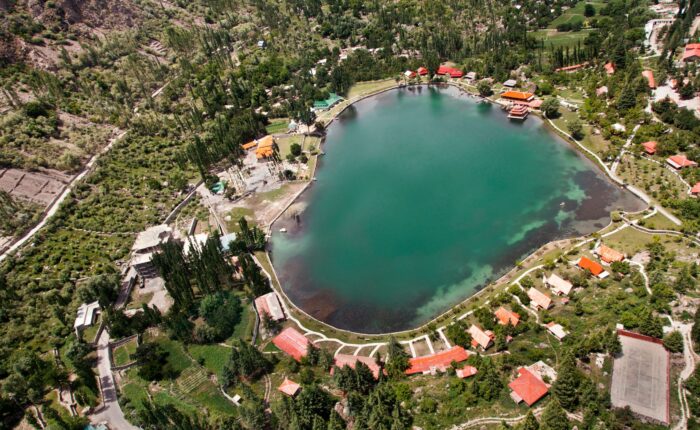
Today you travel to one of the most celebrated destinations in all of Pakistan: Shangrila Resort (also written Shangri-La), a legendary mountain retreat set above the Skardu Valley on the shores of Upper Kachura Lake. The resort was originally developed in the 1980s and is famously built around a decommissioned aircraft fuselage — a DC-3 Dakota — that forms part of the lakeside restaurant, an eccentric and charming piece of history. The grounds include lush gardens, apple orchards, and willow trees, all framing the brilliant turquoise surface of Upper Kachura Lake.
Upper Kachura Lake is one of the most photographed natural features in Gilgit-Baltistan — its vivid aquamarine colour, surrounded by rocky mountains and irrigated gardens, creates a scene of almost surreal beauty. Spend the afternoon exploring the resort grounds, taking a boat ride on the lake if available, walking the shoreline, and simply absorbing the peaceful atmosphere. An overnight stay at the resort allows you to experience the morning light on the lake — the most magical time of day
The morning begins with a visit to Satpara Lake, a natural glacial lake approximately 8 km south of Skardu city. Satpara is a serene, lightly visited counterpart to the famous Kachura lakes — its deep blue water framed by barren hillsides dotted with ancient Buddhist rock carvings. The Satpara Buddhist carvings, dating back to the 7th and 8th centuries, are among the most significant pre-Islamic heritage sites in Baltistan and are carved directly into the boulders along the lakeside road. A small dam at the lake’s outlet provides Skardu’s water supply and adds an interesting modern contrast to the ancient landscape.
The afternoon is devoted to Karphocho Fort — the defining landmark of Skardu city. Known in English as the Skardu Fort or the Rock of Skardu, Karphocho sits atop a massive granite outcrop rising approximately 400 metres directly above the city, commanding a 360-degree panorama of the Indus Valley, the Skardu plain, and the Karakoram peaks stretching to the horizon. The climb to the fort is steep but not long, and the views from the top are among the most dramatic in Baltistan. The fort dates to the 16th century and was used as a royal palace by the Maqpon rulers of Baltistan. Return to Skardu for overnight.
Today you drive from Skardu north into the Shigar Valley, one of the most beautiful and historically significant valleys in Baltistan. The road follows the Shigar River upstream through a landscape of poplars, apricot orchards, and ancient irrigation channels that transform the rocky mountain terrain into a patchwork of green and gold. The Shigar Valley was historically the breadbasket of Baltistan, its fertile terraces producing the apricots, walnuts, and mulberries that sustained mountain communities through long winters.
The centrepiece of the valley is Shigar Fort — a 400-year-old Balti royal palace that stands as one of the finest examples of traditional Baltistani architecture in Pakistan. Built by the Raja of Shigar in the 17th century and occupied by the royal family for centuries, the fort fell into disrepair before being meticulously restored by the Aga Khan Trust for Culture in partnership with the local community. Today it operates as the Shigar Fort Residence, a heritage hotel of extraordinary charm. Explore its carved wooden rooms, the ancient mosque in the courtyard, the terraced gardens, and the small museum dedicated to Balti history. Overnight in Shigar.
From Shigar, you continue east along one of the most scenic drives in Baltistan — through the Shyok Valley, where the river winds through broad gravel plains flanked by extraordinary mountain walls. The Shyok is one of the major tributaries of the Indus and flows through a landscape that feels ancient and elemental. The drive to Khapalu takes approximately two to three hours, passing through small villages, traditional stone bridges, and spectacular river gorges.
Khapalu is the administrative centre of Ghanche District and home to the remarkable Khapalu Fort, also known as the Khapalu Palace. Built by the Yabgo rulers of Khapalu in the 19th century, the palace is a multi-storey structure of carved wood, stone, and mud brick, set dramatically above the town with sweeping views of the Shyok Valley and the Karakoram peaks. Like Shigar Fort, it has been restored by the Aga Khan Trust for Culture and operates as a heritage hotel. Spend the afternoon exploring the palace, its gardens, and the ancient old town of Khapalu below. Overnight in Khapalu.
Today’s return drive from Khapalu to Skardu retraces the Shyok Valley road, offering another chance to appreciate the extraordinary scenery of this ancient river corridor. The drive takes two to three hours and arrives in Skardu in the early afternoon, leaving time for a final exploration of the city before your departure tomorrow.
Use the afternoon to revisit the Skardu Bazaar for any last-minute souvenirs — locally polished aquamarines and tourmalines make excellent and authentic gifts. The dried apricots of Skardu are world-renowned for their quality and travel well. Your guide can recommend the best shops for both. In the evening, enjoy a celebratory dinner reflecting on everything you have seen and experienced over the past week. A final night in Skardu before the morning flight home.
The final morning in Skardu. Check out of your hotel and transfer to Skardu Airport for your return flight to Islamabad. The flight south is as dramatic as the flight north, the mountains gradually giving way to the plains of Punjab as the Karakoram shrinks behind you. On a clear morning, the views from the aircraft window are astonishing — a final panoramic farewell from the giants of the north.
Upon landing in Islamabad, you are transferred to the New Islamabad International Airport (ISB) for your onward international or domestic connections. As you travel home, you carry with you the images of turquoise mountain lakes, ancient carved forts, golden apricot valleys, and the immense, silent grandeur of the Karakoram. Baltistan has a way of staying with you long after you leave.
✔️ Accommodation: Hotel stays throughout the trip.
✔️ Guide: Professional English-speaking tour guides.
✔️ Transport: All road transfers, including 4×4 jeeps for mountain tracks.
✔️ Airport pick-up & drop-off
✔️ English-speaking guide throughout the tour
✔️ Guided sightseeing & activities
✔️ Entrance tickets to forts, museums & heritage sites
✔️ Breakfast daily (other meals per package)
✔️ Road tolls, parking fees & taxes
❌ International flights
❌ Visa fees
❌ Travel insurance
❌ Lunches & dinners unless included
❌ Personal shopping & drinks
❌ Adventure activity fees (optional)
❌ Tips for guide & driver
❌ Anything not listed under “Included”