+923554945378
[email protected]

Upon arrival at Islamabad International Airport, our team will meet you and transfer you to your hotel. In the afternoon, we will gather for a formal briefing and gear check. If time permits, we’ll enjoy a welcome dinner in the Margalla Hills overlooking the city.
We attempt the spectacular flight to Gilgit, which offers views of Nanga Parbat (8,126m). If the flight is cancelled due to weather, we drive the Karakoram Highway (KKH). This is a long but iconic road trip through the Indus River canyon.
We continue along the KKH, stopping at the Rakaposhi Viewpoint for lunch. We pass through the beautiful Hunza Valley and cross the turquoise Attabad Lake by tunnel. We reach Passu, famous for its needle-sharp mountain cones.
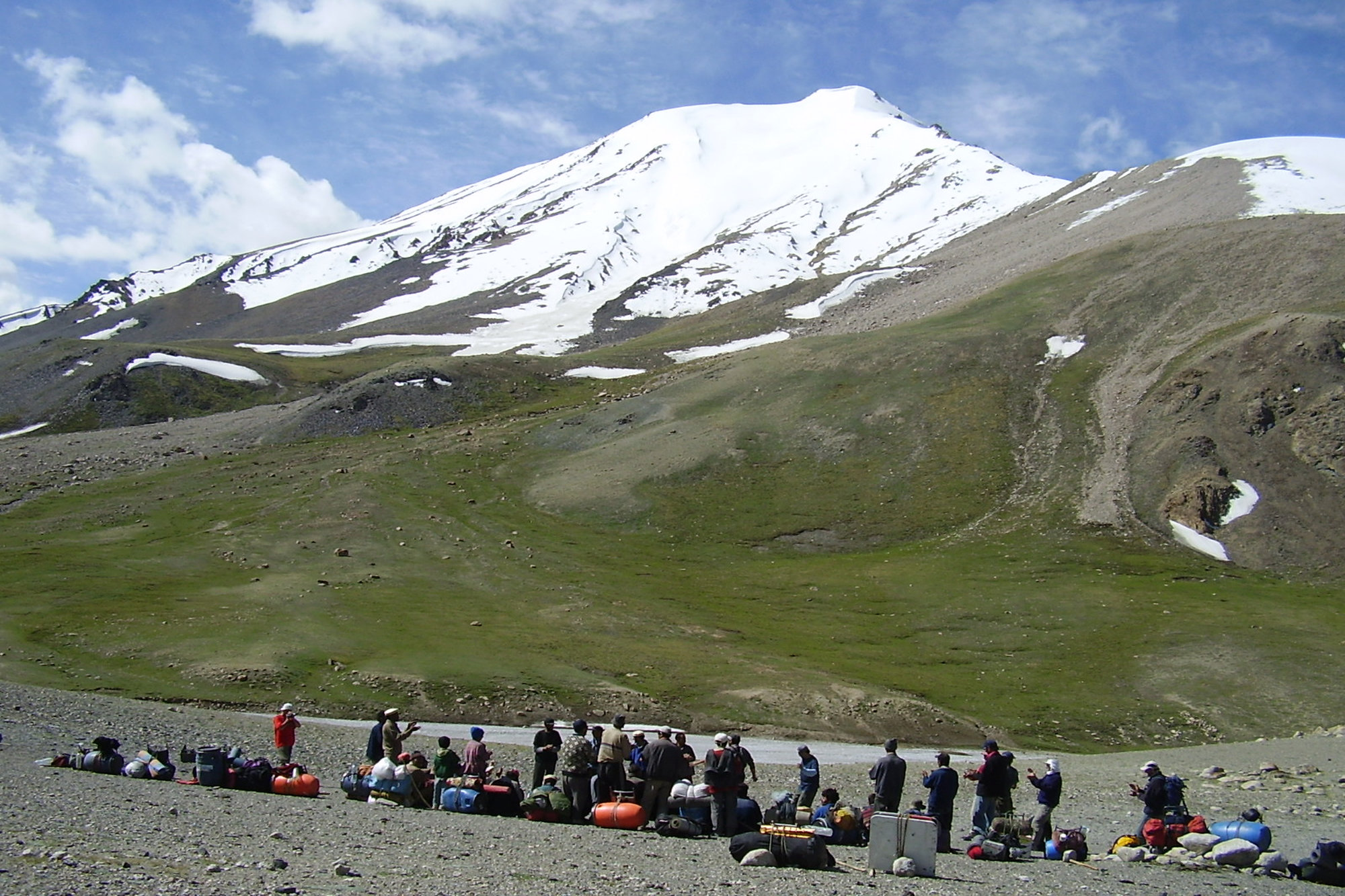
Buckle up for a legendary 4×4 ride. We leave the main highway and enter a narrow, rocky gorge. This road was hand-built by the villagers over 18 years. We arrive in the remote village of Shimshal, where we meet our local porter team.
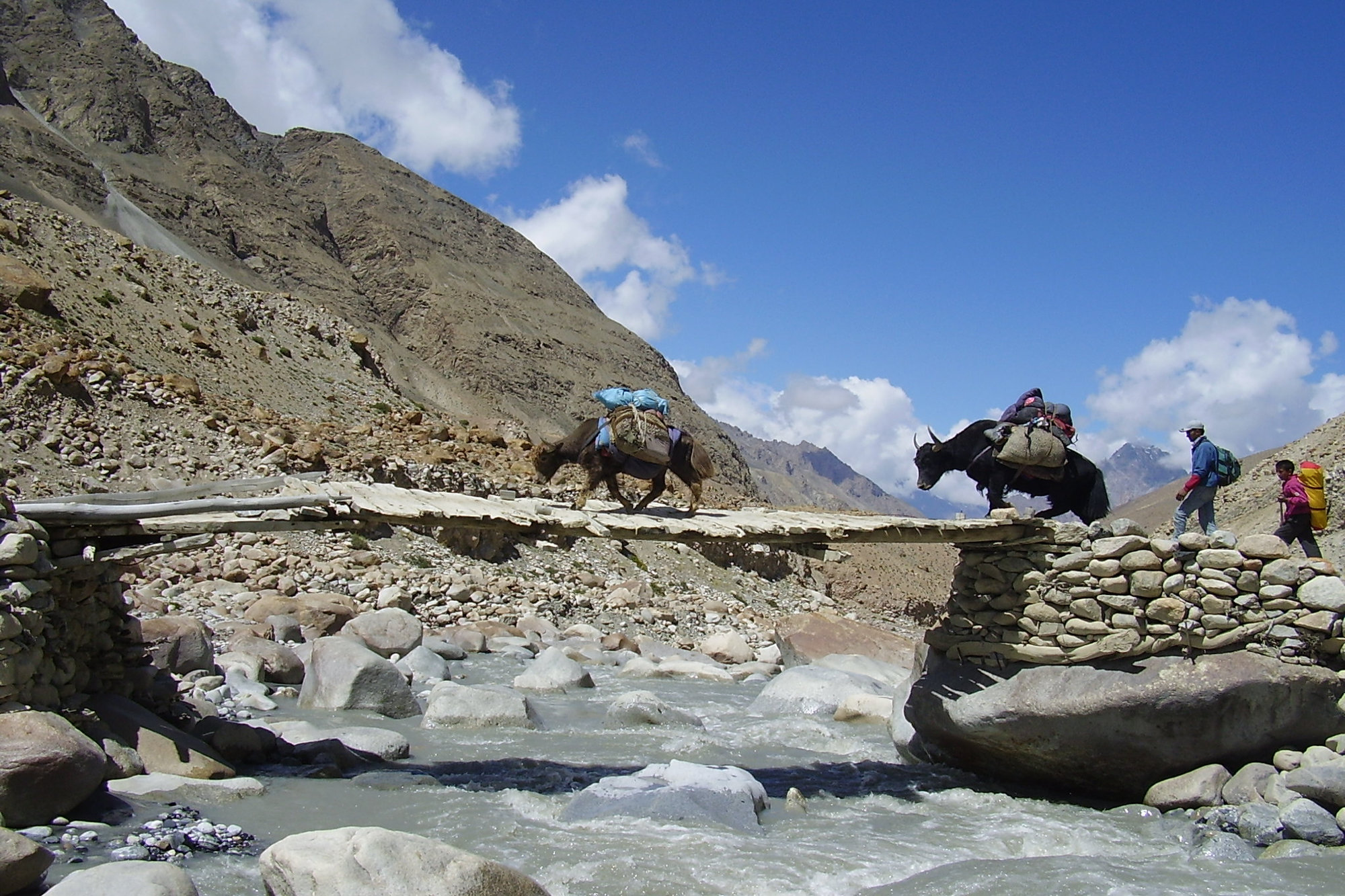
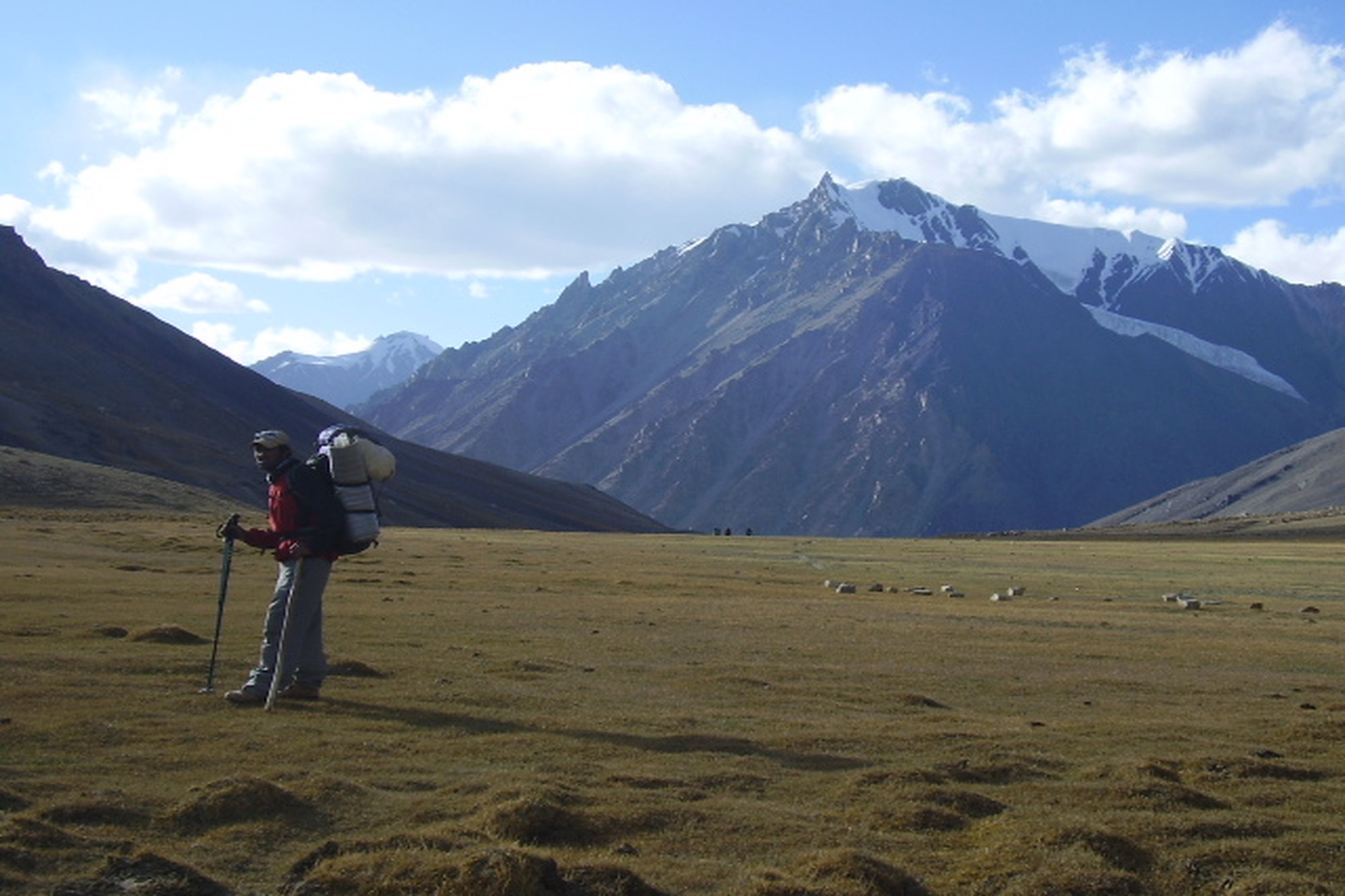
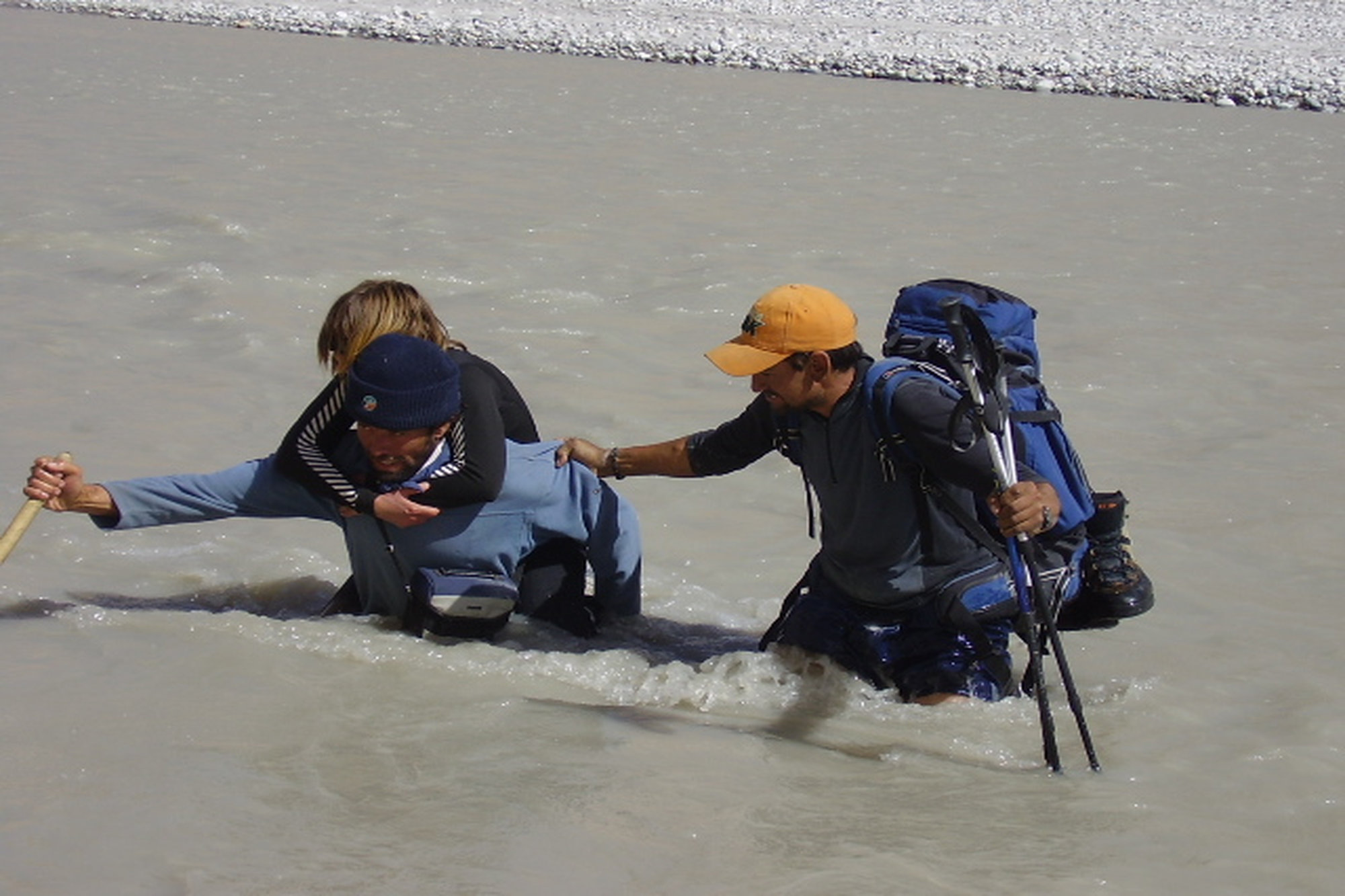
The trek begins with a steady walk along the Shimshal River. We cross a series of suspension bridges before a steep zig-zag climb known as the “Paris” (rock walls). The trail is narrow but well-maintained by locals.
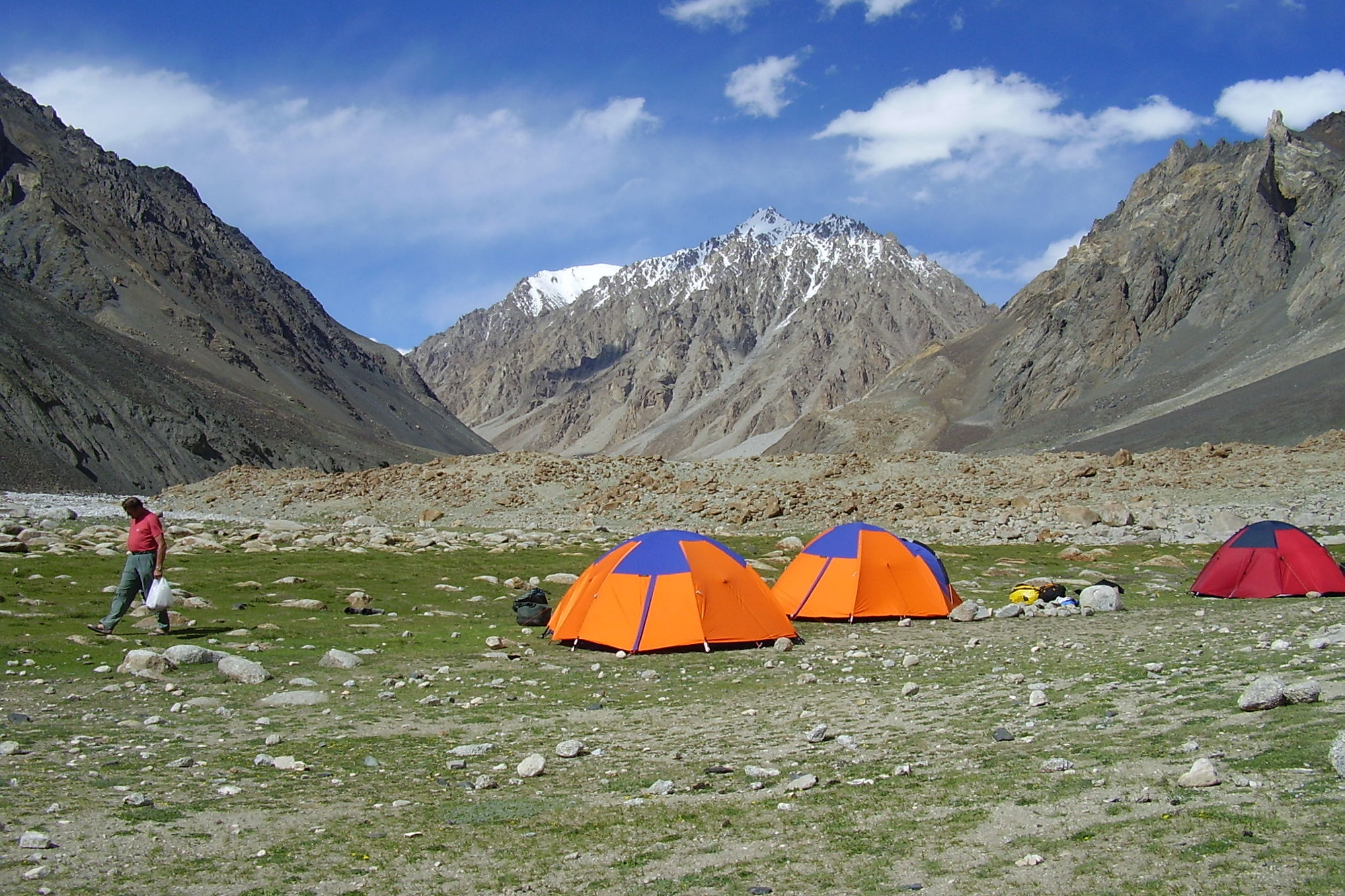
Today features more dramatic canyon scenery. We descend slightly to the riverbed before climbing again. You will see the Molungutti Glacier in the distance. We camp at Arbab Purian, a traditional resting spot for shepherds moving their livestock.
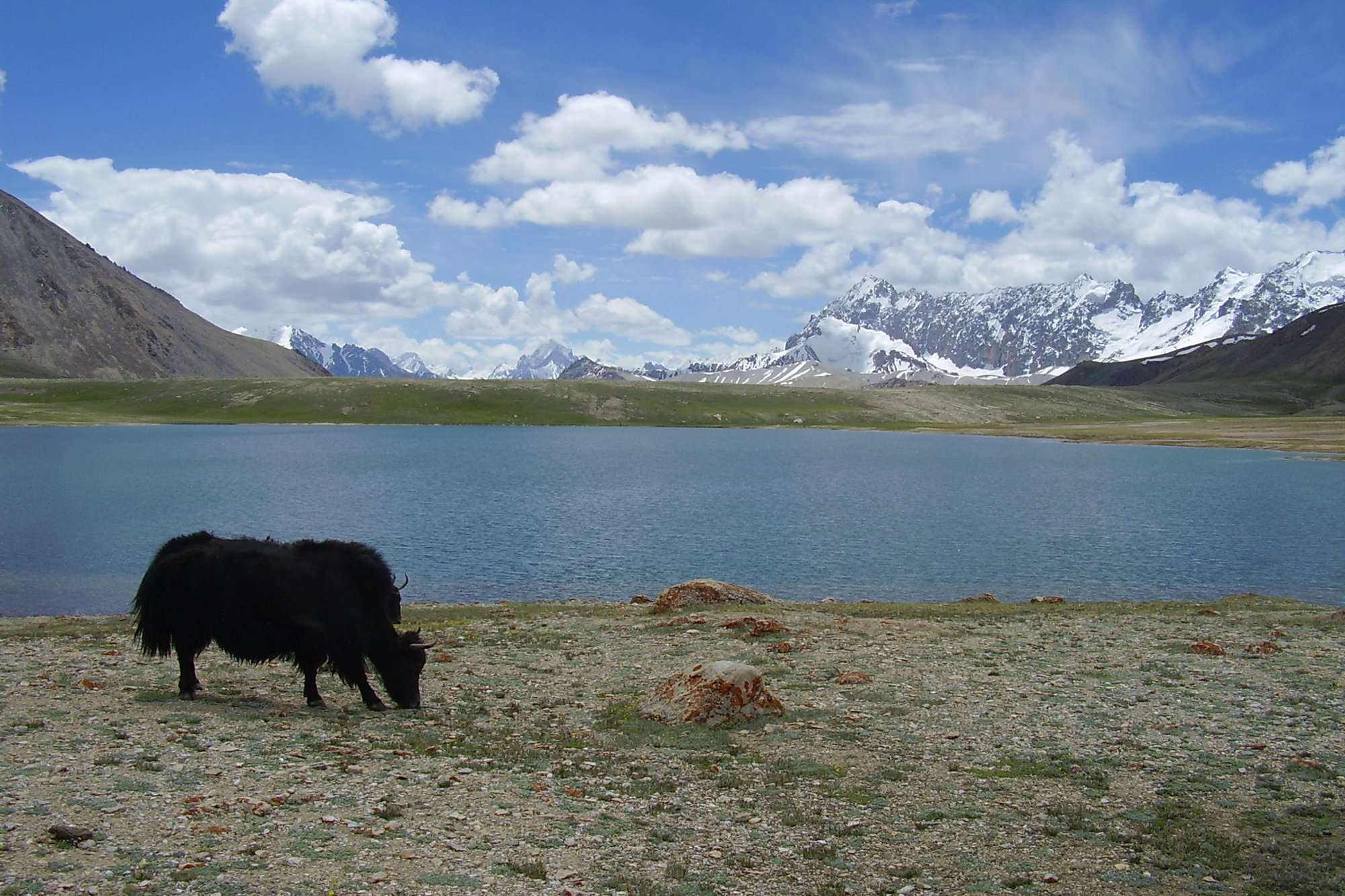
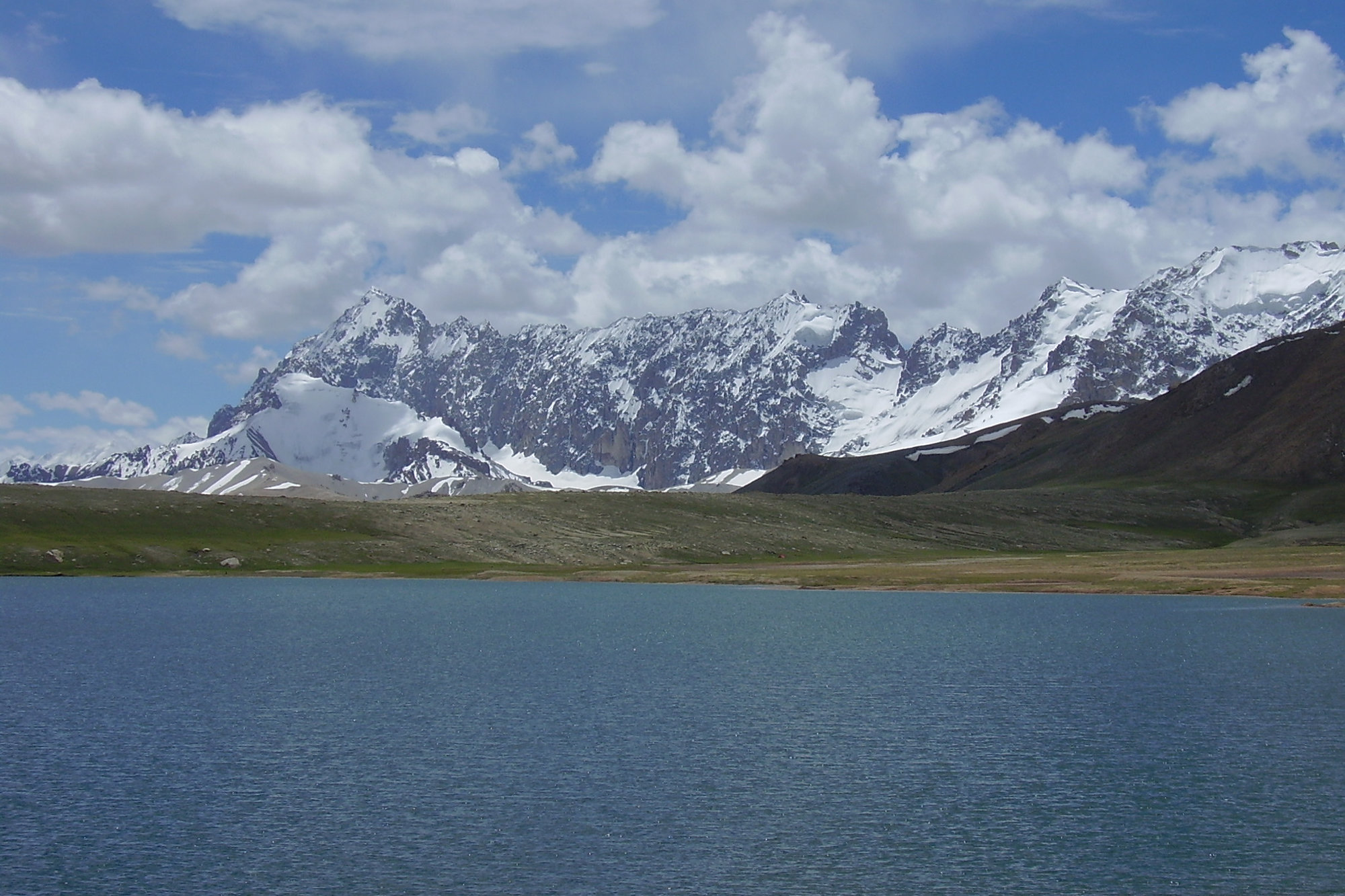
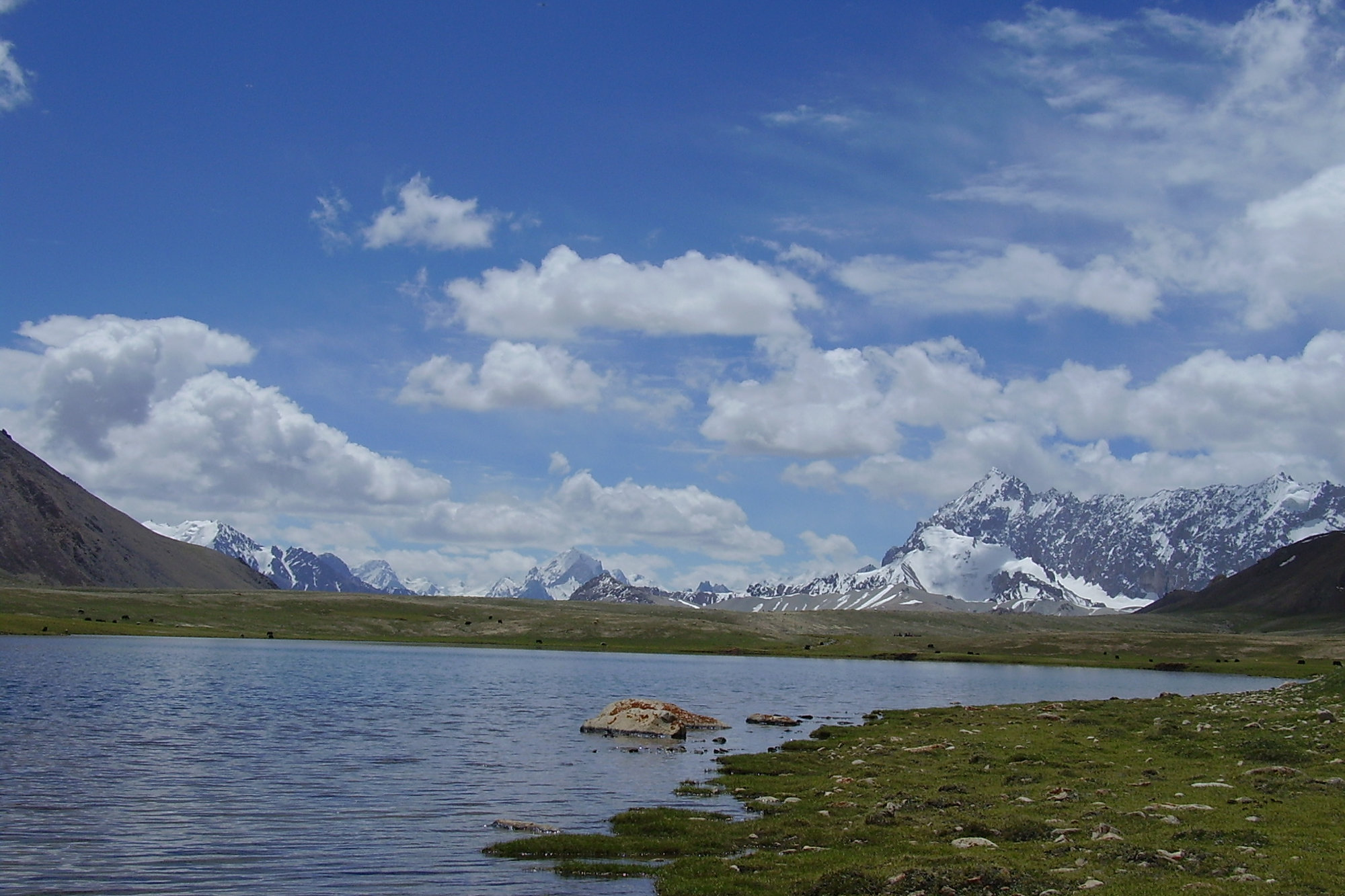
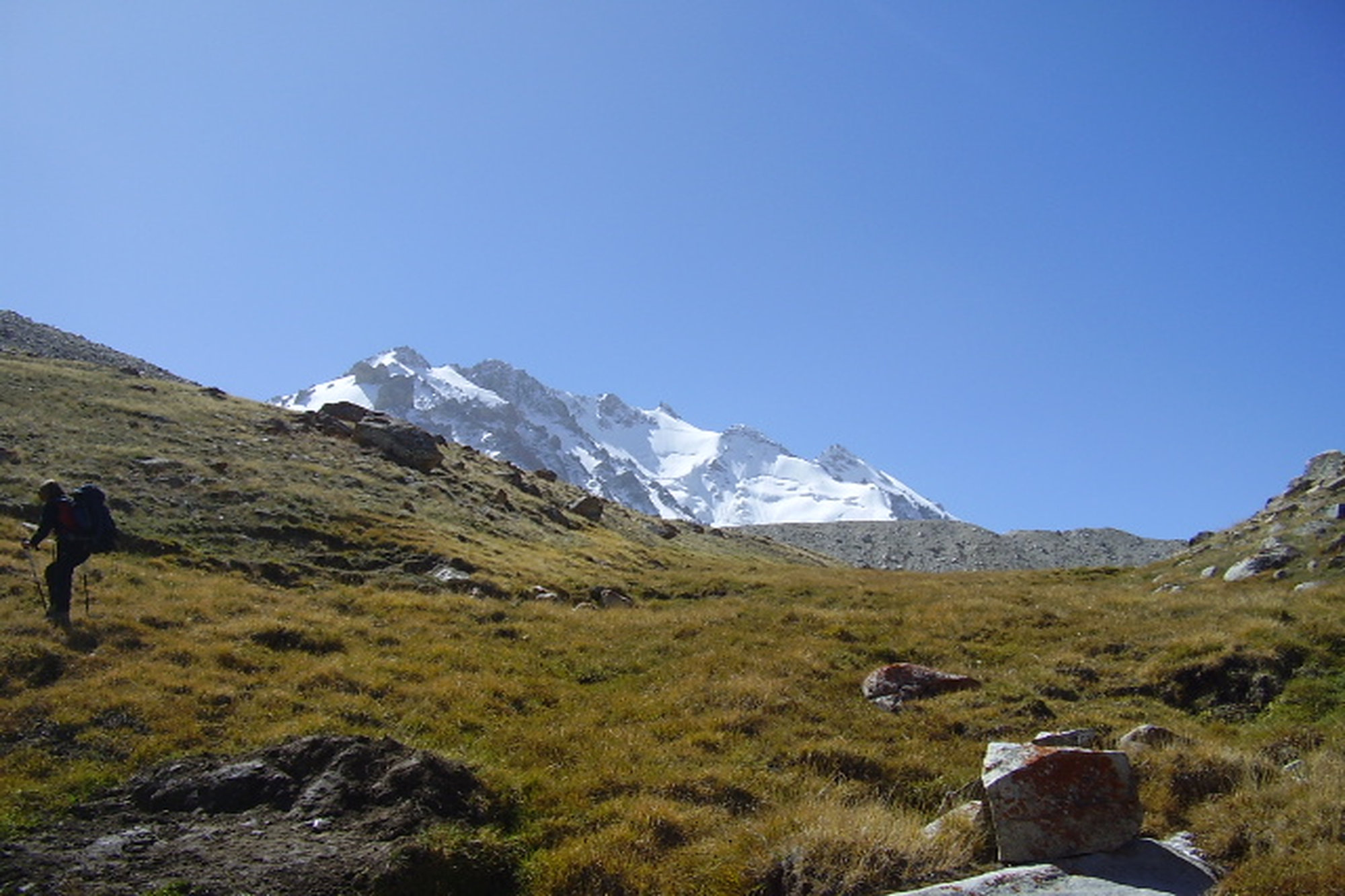
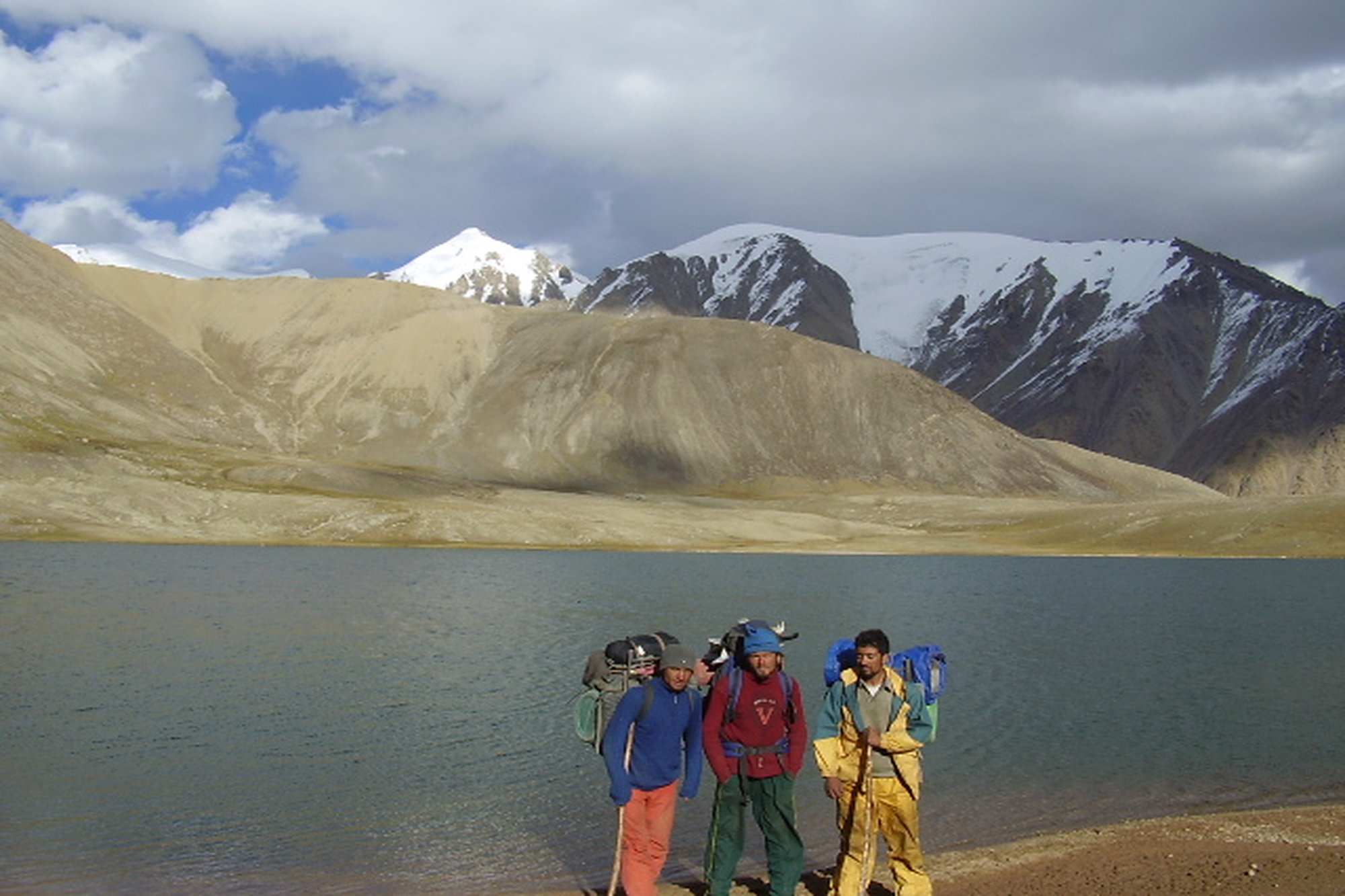
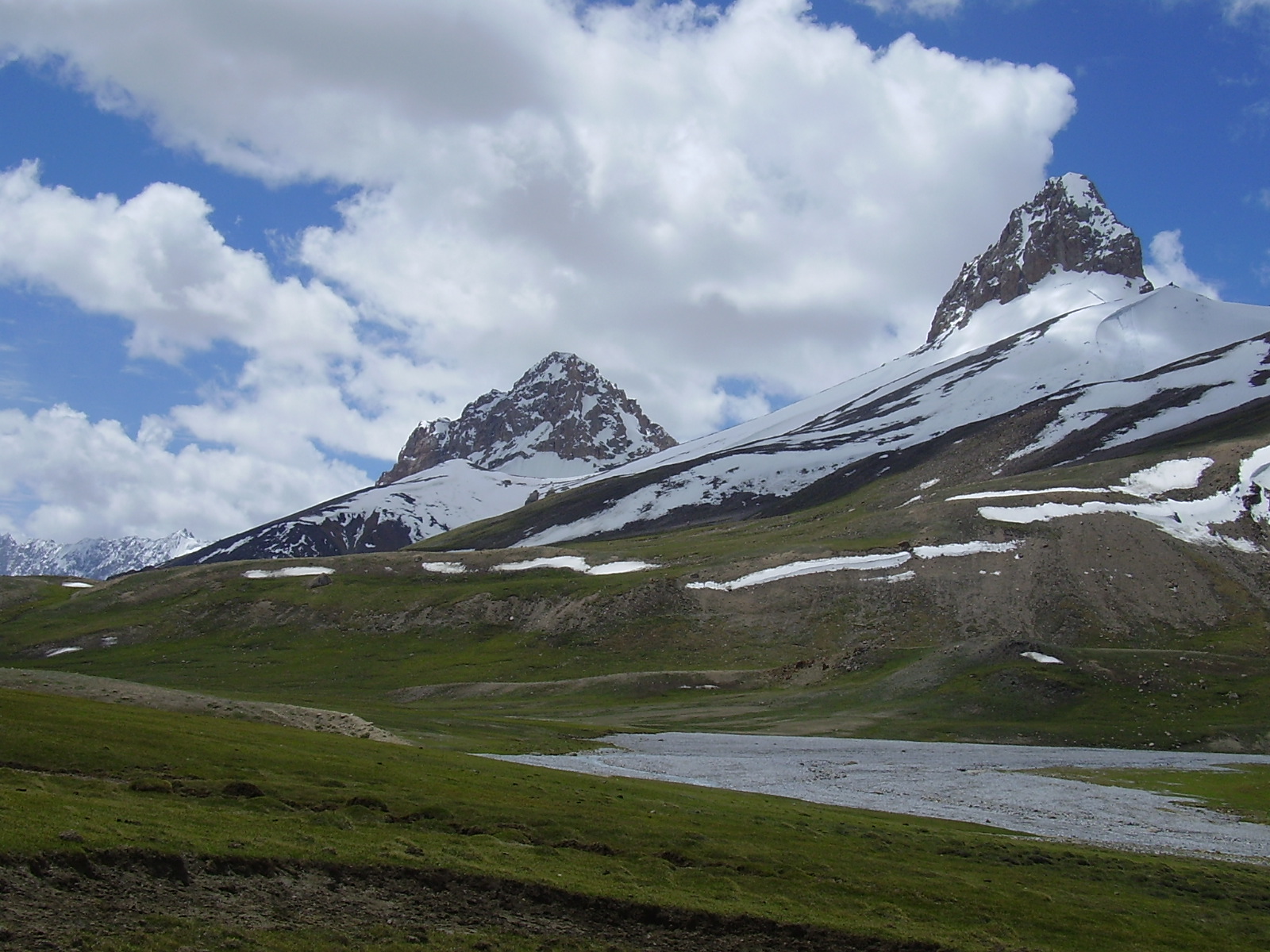
This is the most rewarding day. The narrow gorge finally opens up into the massive, rolling grasslands of the Shimshal Pamir. We walk past grazing yaks and sheep to reach our camp near the two turquoise lakes.
A rest day for the legs, but a feast for the eyes. We can hike to a nearby ridge to see the Chinese border peaks and the distant crown of K2. We’ll visit the seasonal shepherd communities to learn about their high-altitude cheese-making traditions
We say goodbye to the high plateau and begin our trek back. The descent offers a different perspective of the Karakoram spires. Gravity is on our side today, making for a faster pace.
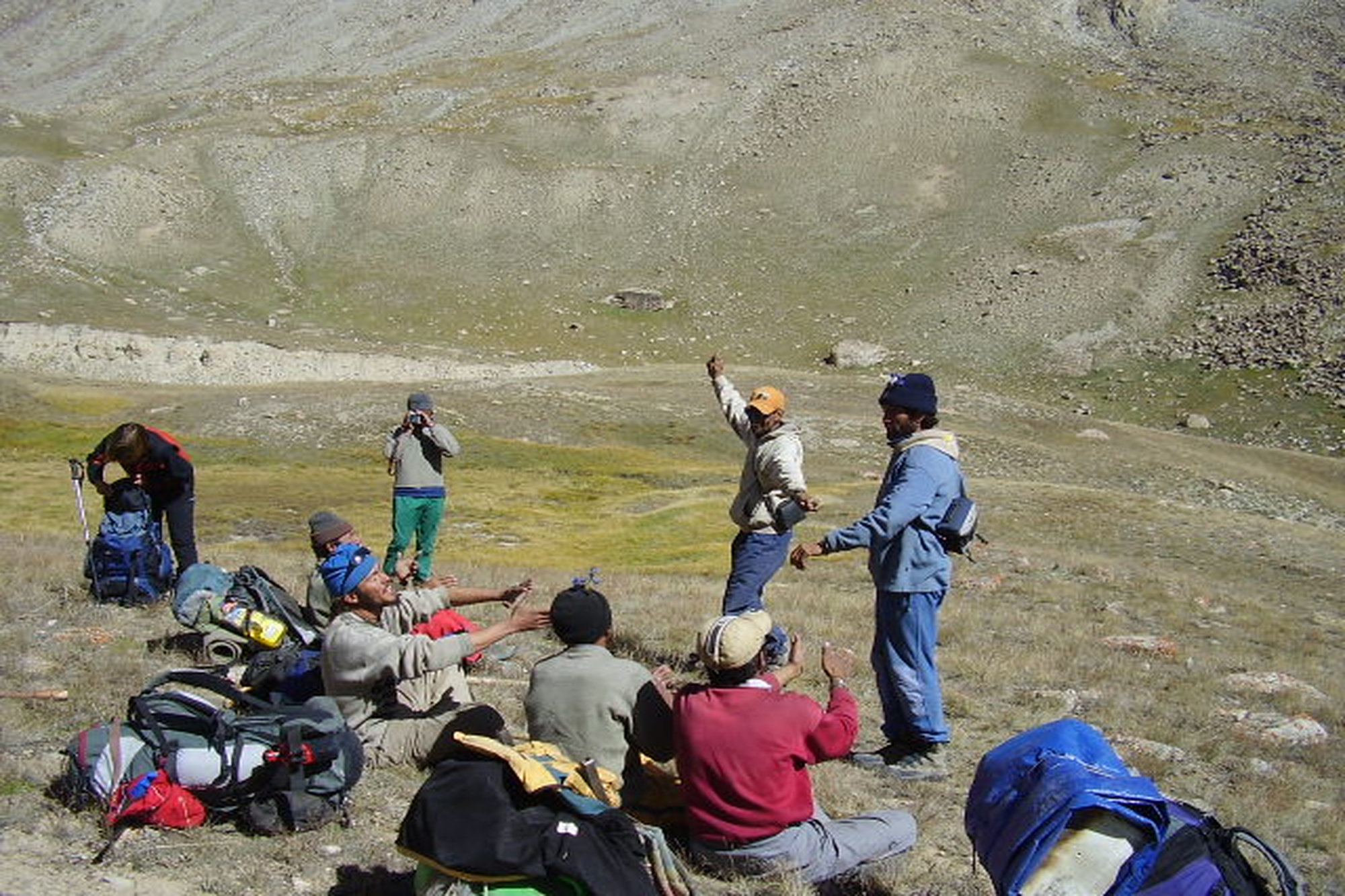
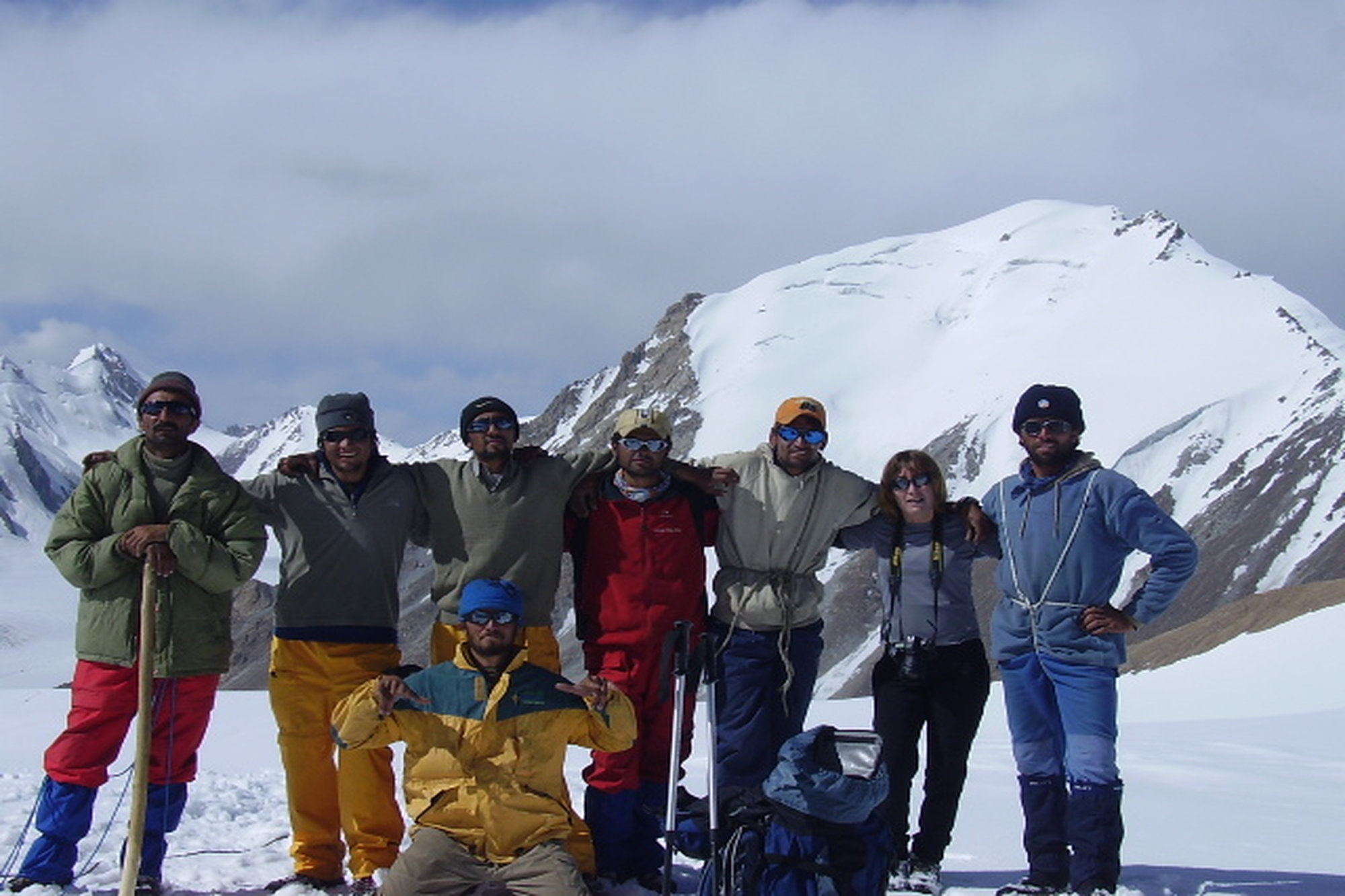
A long final day of trekking. We retrace our steps through the “Paris” rock walls and back to the green fields of Shimshal. Tonight, we celebrate with our porter team, often including traditional Wakhi music and dancing.
We take the jeeps back to the KKH and drive to Karimabad, the heart of Hunza. Enjoy a hot shower, visit the 800-year-old Baltit Fort, and enjoy some local walnut cake at a cafe.
We drive back to Gilgit for our flight to Islamabad. If flying isn’t possible, we begin the two-day drive back down the KKH, spending the night in Besham or Chilas.